
 Business License
Brake Wheel Couplings for Crane Hoisting: How to Select, Install and Maintain
The brake does not have to be a separate component
On a hoist or a conveyor head drive, the brake is often the part that decides how much axial space the drive needs. Instead of adding a brake disc and a second coupling, one hub of the coupling can carry the brake wheel itself. This saves length, one alignment step and one set of fasteners, and it is why brake wheel couplings are common on cranes and lifting equipment.
How a brake wheel coupling works
A jaw coupling transmits torque through curved jaws that compress an elastic spider. When the same hub also carries a machined brake wheel, the brake shoe acts directly on the coupling, so braking torque enters the drive at the most compact point available. The spider still absorbs shock load and damps vibration, and the jaw drive remains fail safe: even with a worn spider the jaws still turn the driven side.
Selection checklist
Brake torque, not just drive torque. The brake wheel has to absorb the kinetic energy of the load, so check the braking torque requirement separately from the motor rating.
Braking surface condition. A ground surface keeps shoe contact even. A rough surface wears shoes fast and can cause judder.
Heat. Repeated stops raise wheel temperature. On high duty cycles, increase wheel mass or reduce the number of stops per hour.
Spider hardness. A softer spider damps more but runs hotter; a harder one transmits shock into the gearbox.
Balance. At higher speeds the brake wheel is the heaviest rotating part on the coupling and must be balanced with the assembly.
Installation points that are usually missed
Check that the brake shoe contacts the full width of the wheel, not just the edge. Set the shoe clearance evenly around the circumference and re-check it after the first week of running, because the first heat cycles settle the mounting bolts. Keep oil and grease off the braking surface; a contaminated wheel will not hold the load at the rated torque.
Maintenance
Inspect the braking surface for scoring and glazing, measure the wheel diameter for wear, and check spider condition at the same interval. On cranes, brake performance is a safety item, so the inspection interval should follow the local lifting regulation rather than the general plant schedule.
Summary
A brake wheel coupling removes a component from the drive rather than adding one. It is the right choice when axial space is limited and the brake duty is moderate to heavy. Where braking energy is very high or duty cycles are extreme, a dedicated brake disc with its own thermal capacity is still the safer layout.
Recently Posted
-
Drum Gear Coupling vs Grid Spring Coupling: Choosing for Heavy Duty Drives
November 17, 2026Two answers to the same problemBoth the drum gear coupling and the grid spring coupling exist because heavy drives misalign under Read More
-
Shaft Coupling Selection Guide: How to Choose the Right Coupling for Your Drive Line
November 14, 2026Why coupling choice matters more than it looksA shaft coupling is one of the cheapest parts in a drive train, but it decides how m Read More
-
Jaw Coupling Spider Replacement: A Step-by-Step Maintenance Guide
July 28, 2026A maintenance technician at a packaging plant in Brazil noticed vibration on a motor-pump set during his morning rounds. The motor Read More
-
Flexible Coupling for Motor Pump Sets: A Selection Guide
July 28, 2026A maintenance manager at a water treatment plant in Southeast Asia called us after replacing motor pump couplings three times in 1 Read More

Contact Us

Recommended Products
-
 OEM Customizable Cardan Shaft Coupling Flexible Rigid Steel for Air Compressor Propeller Universal Construction Printing ShopsNegotiableMOQ: 2 Pieces
-
Kc Coulpling Roller Chain Coupling Set With Chain and Sprocket for General MachineryNegotiableMOQ: 1 Piece
-
High Transmission Efficiency Drum Gear Coupling Easy Installation Gear Coupler For Heavy MachineryNegotiableMOQ: 10 Pieces
-
High-Torque Roller Chain Coupling Durable Steel Aluminium Construction Customizable Precision Engineering OEM Shaft CouplingsNegotiableMOQ: 2 Pieces
-
Customizable Rigid Iron Steel Aluminium Rubber Tyre Coupling OEM Support for Pumps Industrial Equipment Construction IndustriesNegotiableMOQ: 10 Pieces
-
Jsb Flexible Grid Coupling With Metallic Elastic Element Factory Direct Spider Snake Spring CouplingNegotiableMOQ: 10 Pieces
-
High Torque JQ/JQW Type Clamp Coupling for Motor & Gearbox 45 Steel Jacketed Iron Disc Structure Flexible Rigid OEM SupportedNegotiableMOQ: 2 Pieces
-
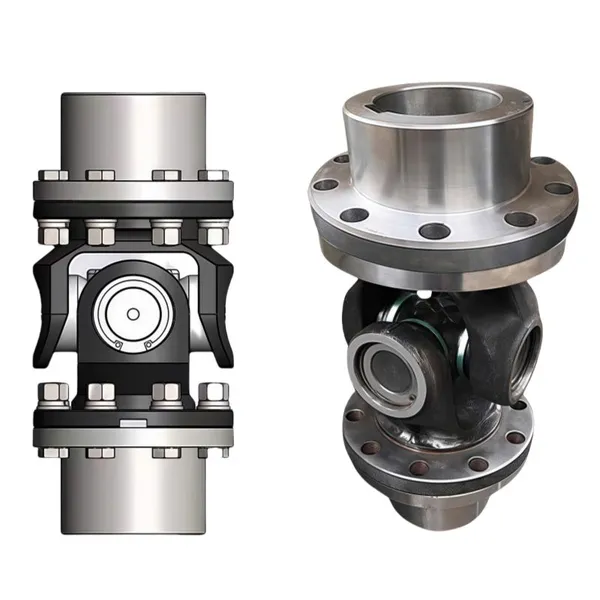
SWC Series Flange Universal Joint Coupling Hardened Cross Shaft Heavy Duty TransmissionNegotiableMOQ: 1 Piece
-
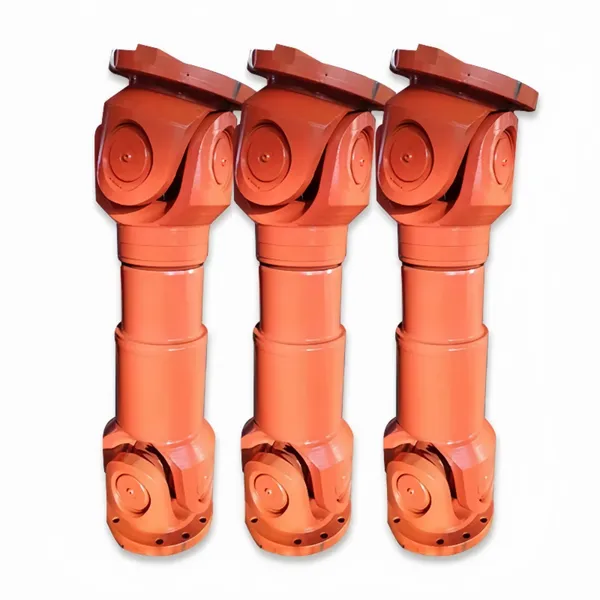
Heavy Duty Universal Coupling High Quality Universal Shaft for Machinery and EquipmentNegotiableMOQ: 1 Piece
-
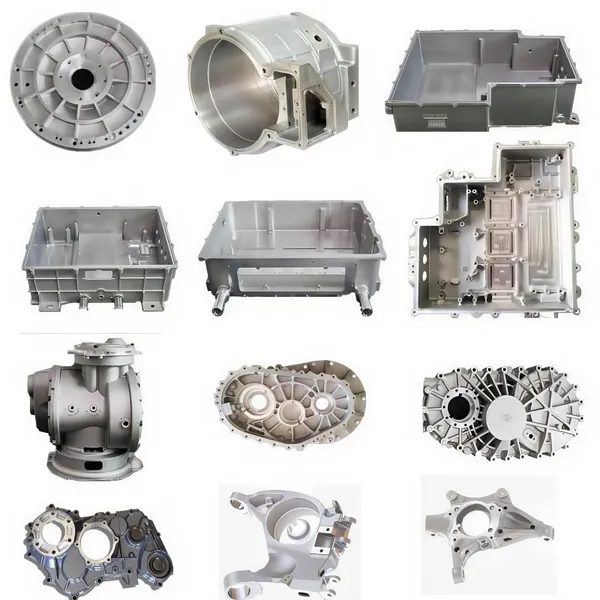
OEM Customized Precision Cast Iron Zinc Aluminum Die Castings New Hydraulic Parts Fittings 1 Year WarrantyNegotiableMOQ: 100 Pieces
-
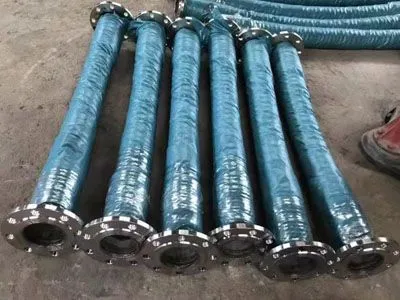
Flexible Acid and Alkali Resistant Rubber Hose With Flange Ends for Industrial Waste Liquid TransportationNegotiableMOQ: 500 Meters
-
Yl Series Rigid Flange Coupling Power Transmission PartsNegotiableMOQ: 2 Pieces
-
Flange Coupling for Water Pump and Compressor Applications With Rubber Gasket SealNegotiableMOQ: 2 Pieces
-
Heavy-Duty Telescopic Welding Cardan Shaft for Universal UseNegotiableMOQ: 1 Piece
-
Flexible Universal Shaft Flange Coupling for Marine and Industrial Drive SystemsNegotiableMOQ: 10 Pieces
-
Durable Expansion Sleeve, Locking Assembly & Taper Lock Bushing for Robotic Arm JointsNegotiableMOQ: 1 Piece
-
High Quality Yl Type Rigid Flange Coupling Mechanical Transmission CouplingNegotiableMOQ: 2 Pieces
-
Stainless Steel Flexible Universal Joint Coupling for Motor Flange Gear Pump and Spline ShaftNegotiableMOQ: 1 Piece
-
Compact Drum Gear Coupling for Heavy Industrial Transmission High Torque CapacityNegotiableMOQ: 10 Pieces
-
TL Series Elastic Pin Coupling Easy Replace Rubber Bush Coupling With Shaft Misalignment CompensationNegotiableMOQ: 10 Pieces