
 Business License
Shaft Coupling Selection Guide: How to Choose the Right Coupling for Your Drive Line
Why coupling choice matters more than it looks
A shaft coupling is one of the cheapest parts in a drive train, but it decides how much of the motor torque reaches the load, how much vibration travels into the gearbox, and how often maintenance has to open the machine. Most drive line problems that are blamed on bearings or alignment can be traced back to a coupling that was chosen by bore size alone. This guide walks through the six questions that actually decide the selection.
1. Start from the load, not from the bore
Take the rated torque of the driving machine, then multiply it by a service factor that reflects how rough the duty is. A centrifugal pump running continuously and a crusher starting under full load do not need the same coupling even when the shaft diameter is identical.
Useful starting points: smooth continuous duty around 1.5, frequent starts or reversing duty around 2, shock loaded equipment such as crushers, mixers and compressors 2.5 or higher. When a motor is inverter driven, check the peak torque the drive can deliver rather than only the nameplate value.
2. Decide which misalignment you actually have
No two machines line up perfectly, and the gap changes with temperature. Three types of offset have to be separated:
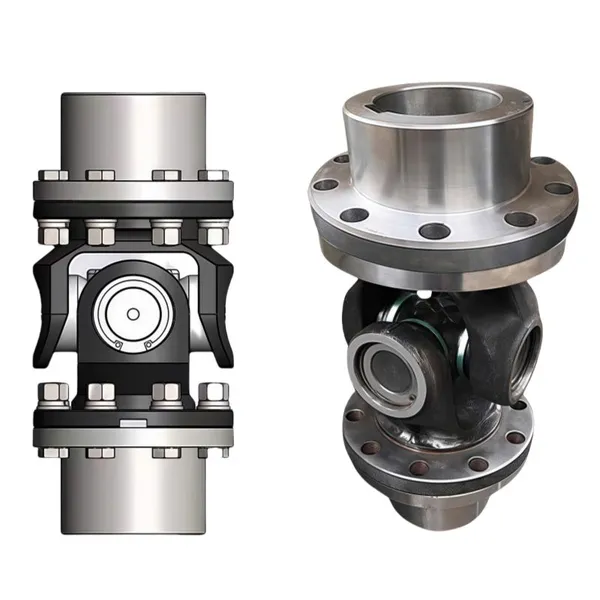
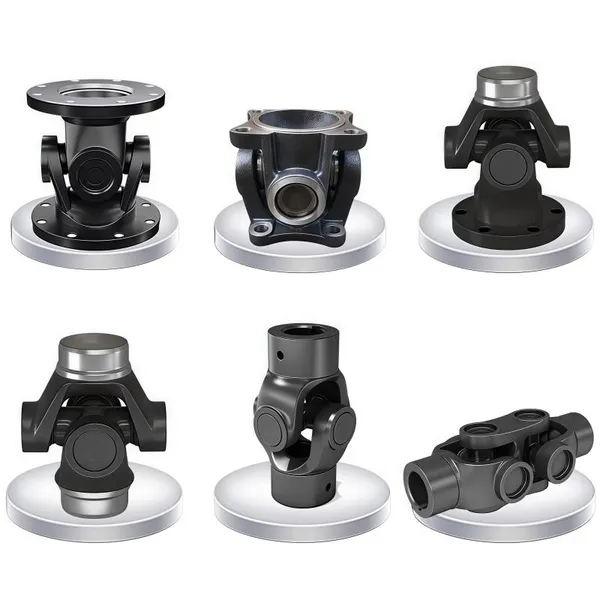
Angular - shaft centre lines meet at an angle. Universal joints, Oldham and disc couplings handle this well.
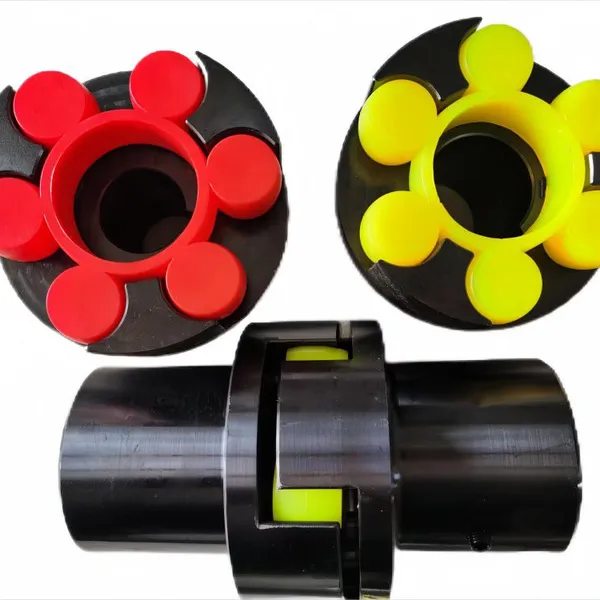
Radial / parallel - centre lines are parallel but offset. Oldham, jaw and tyre couplings compensate this with a sliding or elastic element.
Axial - the distance between shaft ends changes. Bellows and disc couplings flex, jaw couplings allow a small float, rigid couplings allow nothing.
A coupling that is asked to absorb misalignment it was not designed for will fail early, usually at the hub or the flexible element.
3. Torsional stiffness and backlash
For a pump or a fan, spring stiffness in the coupling is harmless or even helpful. For a servo axis, an encoder or a machine tool spindle it is not: any wind up shows up as positioning error, and any backlash shows up as lost motion when the axis reverses.
Zero backlash and high stiffness: disc, bellows, keyless friction locking.
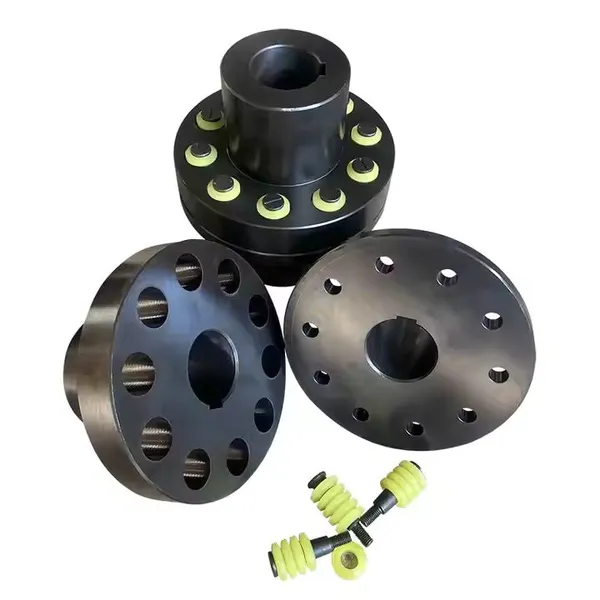
Moderate stiffness with damping: jaw, nylon sleeve, pin bush.
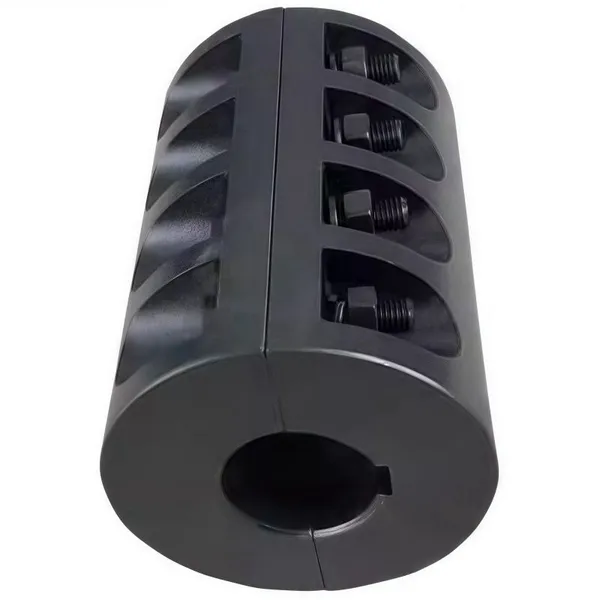
Rigid, no compensation at all: split clamp and flange couplings.
4. Environment and temperature
Rubber and polyurethane inserts do not like hot oil pumps, solvent atmospheres or washdown with aggressive chemicals. In those cases a metal flexible element - stainless steel laminae or bellows - is the safer choice. Conversely, in dusty heavy equipment a simple elastomer coupling with a protective cover usually survives better than a precision metal part with fine clearances.
5. Installation and maintenance constraints
Ask how the coupling will be fitted before choosing it. A split clamp coupling can be installed around a shaft line that cannot be dismantled, while a keyed hub usually requires the machine to be separated. If maintenance windows are short, prefer a design where the wearing part - a spider, a bush set or a disc pack - can be replaced without moving either machine.
6. Quick comparison of common types
| Type | Best for | Misalignment | Backlash |
|---|---|---|---|
| Jaw / spider | Pumps, compressors, general drives | Radial, angular, small axial | Small, elastic |
| Pin bush | Reducers, reversing duty | Radial, angular | Small |
| Oldham | Servo, encoder, low torque precision | Radial, angular | Near zero |
| Disc / diaphragm | Pumps, hot service, high speed | All three | Zero |
| Bellows | Servo, encoder, compact spaces | All three | Zero |
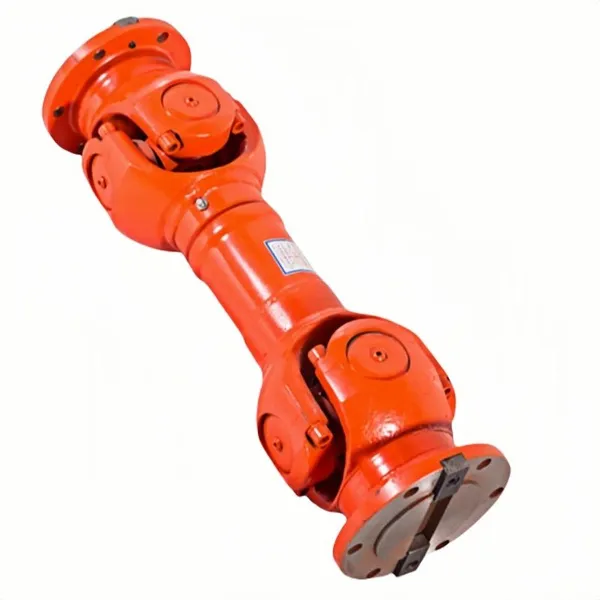
| Universal joint | Long spans, large angles, PTO | Large angular | Inherent in single joint |
| Rigid clamp | Line shafting, low speed | None | None |
Common selection mistakes
Choosing by bore and outer diameter only, then discovering the torque rating is too low.
Using a zero backlash coupling on a machine that cannot hold alignment, so the flexible element takes all the offset.
Ignoring axial growth of a hot shaft, which preloads the coupling and the bearings.
Fitting a rigid coupling where alignment cannot be guaranteed.
Need help with a selection?
Send us the motor power, speed, shaft diameters, expected misalignment and duty description, and we will propose the type and size. Our range covers jaw couplings, pin bush couplings, Oldham couplings, disc and diaphragm couplings, bellows couplings, nylon sleeve couplings, rigid clamp couplings and universal joints.
Recently Posted
-
Drum Gear Coupling vs Grid Spring Coupling: Choosing for Heavy Duty Drives
November 17, 2026Two answers to the same problemBoth the drum gear coupling and the grid spring coupling exist because heavy drives misalign under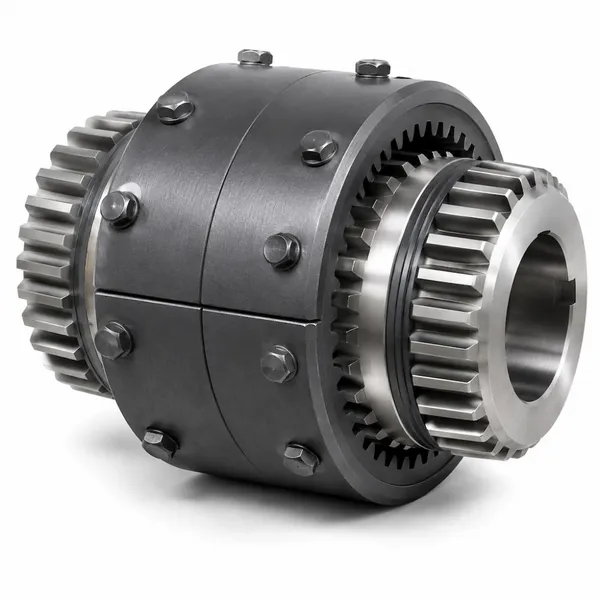 Read More
-
Jaw Coupling Spider Replacement: A Step-by-Step Maintenance Guide
July 28, 2026A maintenance technician at a packaging plant in Brazil noticed vibration on a motor-pump set during his morning rounds. The motor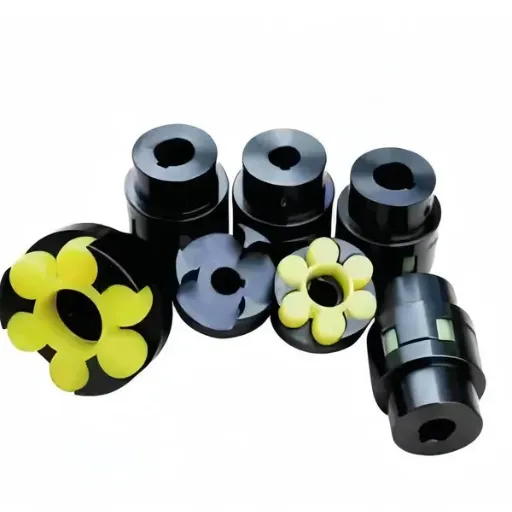 Read More
-
Flexible Coupling for Motor Pump Sets: A Selection Guide
July 28, 2026A maintenance manager at a water treatment plant in Southeast Asia called us after replacing motor pump couplings three times in 1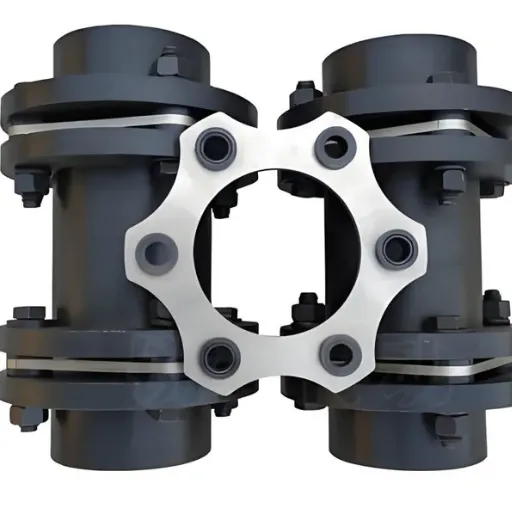 Read More
-
Flexible Shaft Coupling: Selection Guide for Industrial Drives
July 28, 2026When two rotating shafts are connected directly, even a small amount of misalignment can generate vibration, bearing load, and pre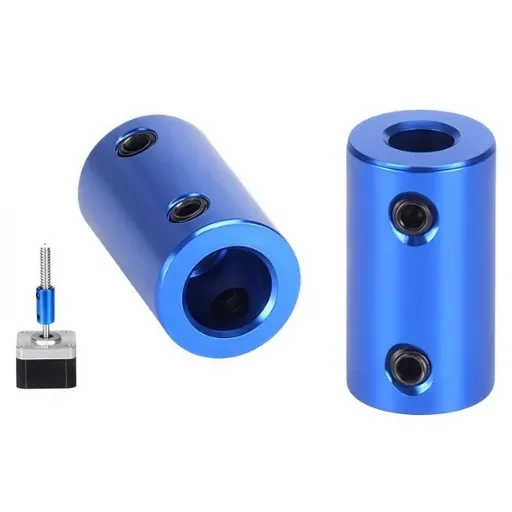 Read More

Contact Us
Recommended Products
-
 OEM Customizable Cardan Shaft Coupling Flexible Rigid Steel for Air Compressor Propeller Universal Construction Printing ShopsNegotiableMOQ: 2 Pieces
-
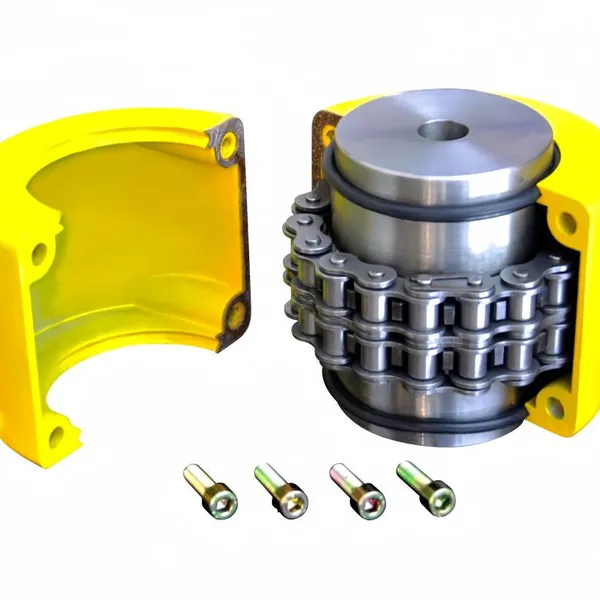
Kc Coulpling Roller Chain Coupling Set With Chain and Sprocket for General MachineryNegotiableMOQ: 1 Piece
-
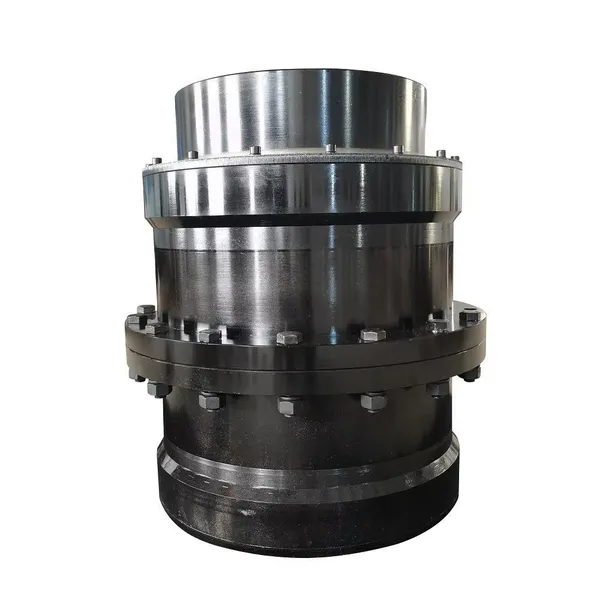
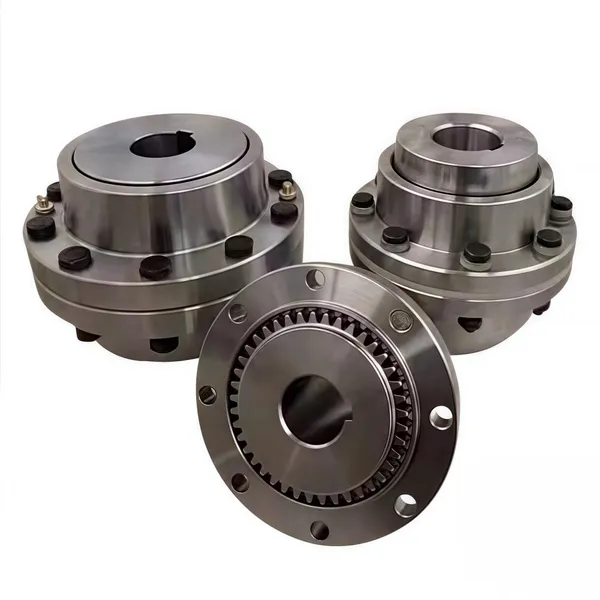
High Transmission Efficiency Drum Gear Coupling Easy Installation Gear Coupler For Heavy MachineryNegotiableMOQ: 10 Pieces
-
High-Torque Roller Chain Coupling Durable Steel Aluminium Construction Customizable Precision Engineering OEM Shaft CouplingsNegotiableMOQ: 2 Pieces
-
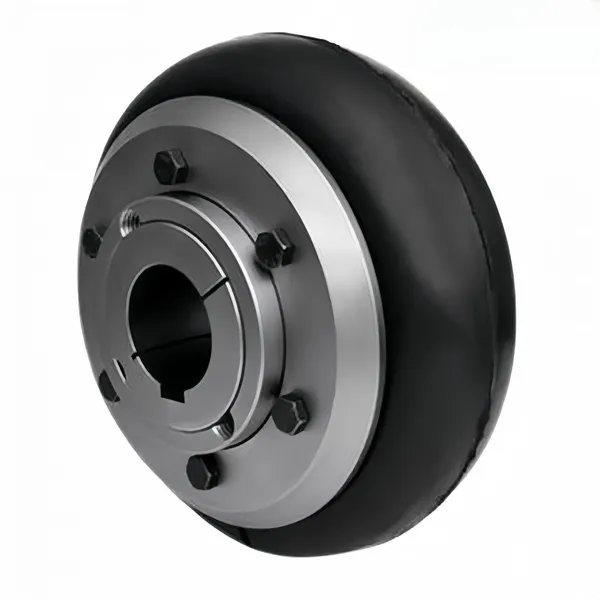
Customizable Rigid Iron Steel Aluminium Rubber Tyre Coupling OEM Support for Pumps Industrial Equipment Construction IndustriesNegotiableMOQ: 10 Pieces
-
Jsb Flexible Grid Coupling With Metallic Elastic Element Factory Direct Spider Snake Spring CouplingNegotiableMOQ: 10 Pieces
-
High Torque JQ/JQW Type Clamp Coupling for Motor & Gearbox 45 Steel Jacketed Iron Disc Structure Flexible Rigid OEM SupportedNegotiableMOQ: 2 Pieces
-
SWC Series Flange Universal Joint Coupling Hardened Cross Shaft Heavy Duty TransmissionNegotiableMOQ: 1 Piece
-
Heavy Duty Universal Coupling High Quality Universal Shaft for Machinery and EquipmentNegotiableMOQ: 1 Piece
-
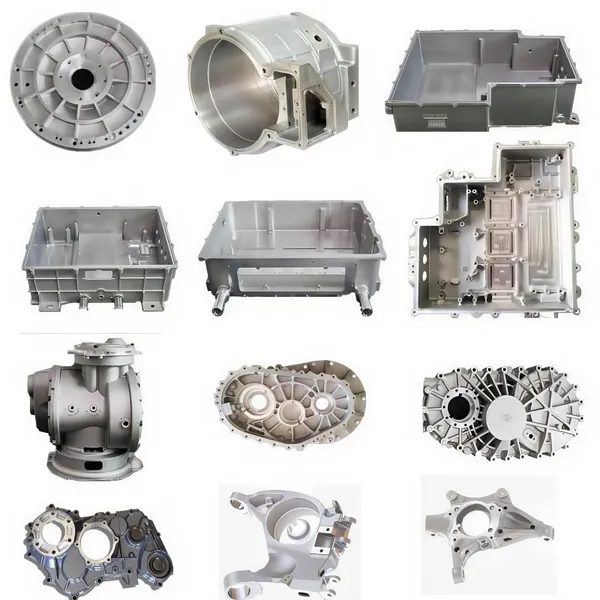
OEM Customized Precision Cast Iron Zinc Aluminum Die Castings New Hydraulic Parts Fittings 1 Year WarrantyNegotiableMOQ: 100 Pieces
-
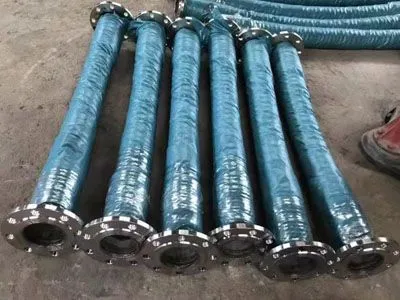
Flexible Acid and Alkali Resistant Rubber Hose With Flange Ends for Industrial Waste Liquid TransportationNegotiableMOQ: 500 Meters
-
Yl Series Rigid Flange Coupling Power Transmission PartsNegotiableMOQ: 2 Pieces
-
Flange Coupling for Water Pump and Compressor Applications With Rubber Gasket SealNegotiableMOQ: 2 Pieces
-
Heavy-Duty Telescopic Welding Cardan Shaft for Universal UseNegotiableMOQ: 1 Piece
-
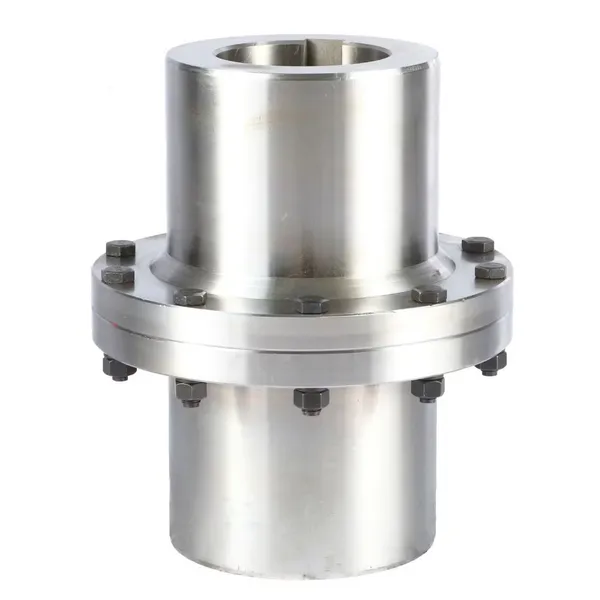
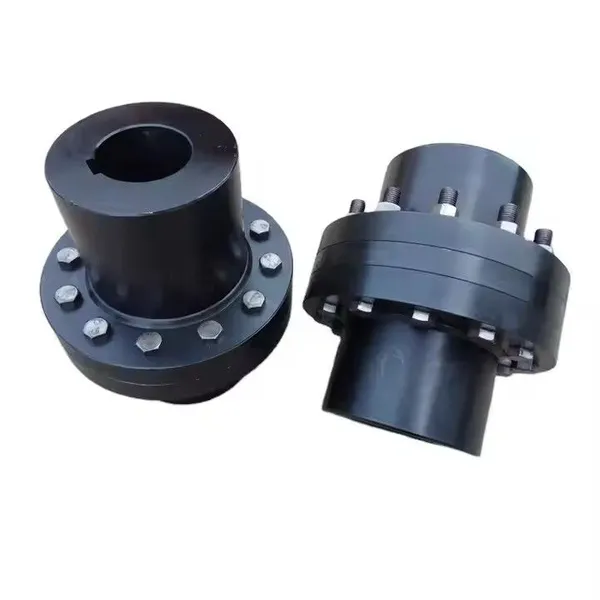
Flexible Universal Shaft Flange Coupling for Marine and Industrial Drive SystemsNegotiableMOQ: 10 Pieces
-
Durable Expansion Sleeve, Locking Assembly & Taper Lock Bushing for Robotic Arm JointsNegotiableMOQ: 1 Piece
-
High Quality Yl Type Rigid Flange Coupling Mechanical Transmission CouplingNegotiableMOQ: 2 Pieces
-
Stainless Steel Flexible Universal Joint Coupling for Motor Flange Gear Pump and Spline ShaftNegotiableMOQ: 1 Piece
-
Compact Drum Gear Coupling for Heavy Industrial Transmission High Torque CapacityNegotiableMOQ: 10 Pieces
-
TL Series Elastic Pin Coupling Easy Replace Rubber Bush Coupling With Shaft Misalignment CompensationNegotiableMOQ: 10 Pieces