
 Business License
Drum Gear Coupling vs Grid Spring Coupling: Choosing for Heavy Duty Drives
Two answers to the same problem
Both the drum gear coupling and the grid spring coupling exist because heavy drives misalign under load. They solve it in opposite ways: the drum gear coupling slides on lubricated crowned teeth, while the grid spring coupling flexes a steel grid between slotted hub teeth. Choosing between them comes down to duty, environment and how much torsional softness the driven machine tolerates.
Drum gear coupling: sliding metal contact
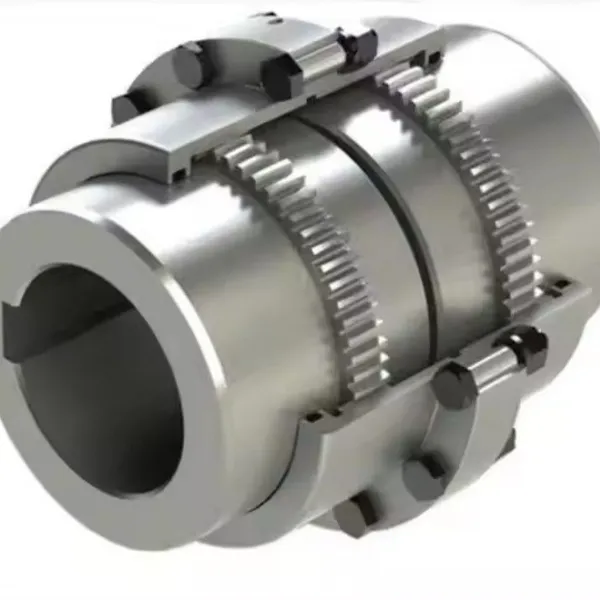
Crowned external teeth on each hub run inside internal teeth in a sleeve. The crown lets the teeth tilt under misalignment so load stays in the middle of the tooth instead of on the edge. Torque capacity per size is high and the coupling is stiff, which is what a rolling mill or a crane hoist needs. The price is lubrication: oil has to be present, seals have to be intact, and the sleeve must be split or removable for inspection.
Grid spring coupling: controlled elasticity
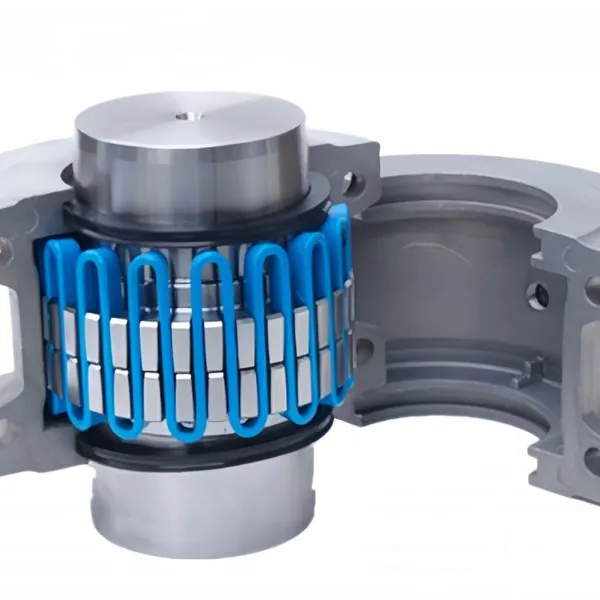
A serpentine steel grid sits in slots machined into both hubs. At light load only the middle of the grid contacts the teeth, so the coupling is soft; as torque rises more teeth engage and stiffness increases. That progressive behaviour damps torsional vibration and cushions shock, which suits crushers, compressors and drives that start under load. The standard design needs no lubrication, and a vertical or horizontal split cover allows the grid to be replaced with the machines in place.
Comparison at a glance
| Criterion | Drum gear | Grid spring |
|---|---|---|
| Torsional stiffness | High, rigid | Progressive, softer |
| Torque density | Very high | High |
| Misalignment range | Large angular and radial | Moderate |
| Damping | Low | Good |
| Lubrication | Oil required, sealed | None in standard design |
| Maintenance access | Split sleeve | Split cover, grid replaceable |
| Best fit | Mills, cranes, reversing heavy duty | Crushers, fans, compressors, shock load |
How to decide in practice
If the driven machine cannot tolerate torsional wind up (positioning, reversing mill drives), choose the drum gear coupling.
If the drive starts under load or has strong torque ripple, the progressive stiffness of the grid spring coupling is usually the better fit.
If lubrication in that area is impractical or inspection access is poor, the grid spring coupling removes that risk.
If the misalignment is large and unavoidable, the drum gear coupling has more travel before edge loading starts.
Common failure patterns
Drum gear couplings usually fail from lubrication loss: worn seals, wrong oil, or a sleeve that was assembled dry. Grid spring couplings usually fail from grid breakage after repeated shock, or from cover bolts loosening and letting the grid walk out of its slots. Both failures are visible during inspection long before they become a breakdown, which is why the inspection interval matters more than the type choice.
Summary
Stiff and lubricated, or soft and dry. If the drive needs precision and torque density, choose drum gear. If it needs damping and low maintenance, choose grid spring. Both are available as custom bore, keyway and brake wheel versions to suit the installation.
Recently Posted
-
Shaft Coupling Selection Guide: How to Choose the Right Coupling for Your Drive Line
November 14, 2026Why coupling choice matters more than it looksA shaft coupling is one of the cheapest parts in a drive train, but it decides how m Read More
-
Jaw Coupling Spider Replacement: A Step-by-Step Maintenance Guide
July 28, 2026A maintenance technician at a packaging plant in Brazil noticed vibration on a motor-pump set during his morning rounds. The motor Read More
-
Flexible Coupling for Motor Pump Sets: A Selection Guide
July 28, 2026A maintenance manager at a water treatment plant in Southeast Asia called us after replacing motor pump couplings three times in 1 Read More
-
Flexible Shaft Coupling: Selection Guide for Industrial Drives
July 28, 2026When two rotating shafts are connected directly, even a small amount of misalignment can generate vibration, bearing load, and pre Read More

Contact Us
Recommended Products
-
 OEM Customizable Cardan Shaft Coupling Flexible Rigid Steel for Air Compressor Propeller Universal Construction Printing ShopsNegotiableMOQ: 2 Pieces
-
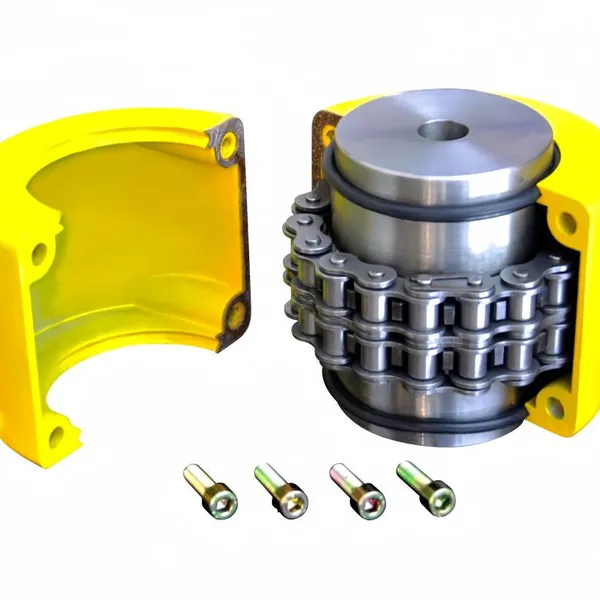
Kc Coulpling Roller Chain Coupling Set With Chain and Sprocket for General MachineryNegotiableMOQ: 1 Piece
-
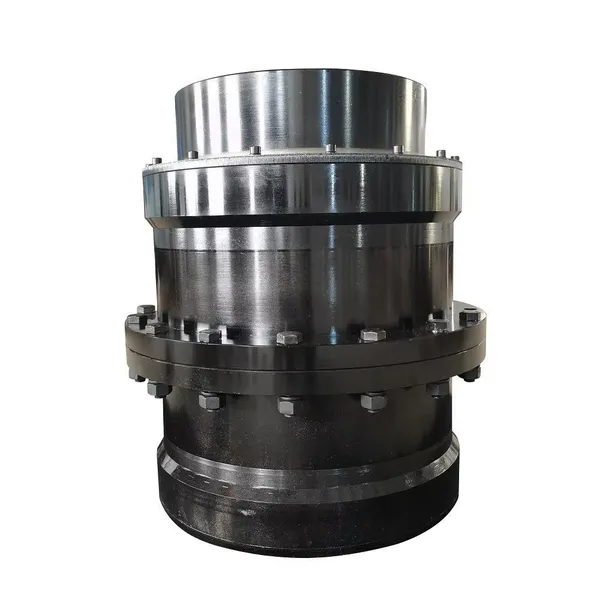
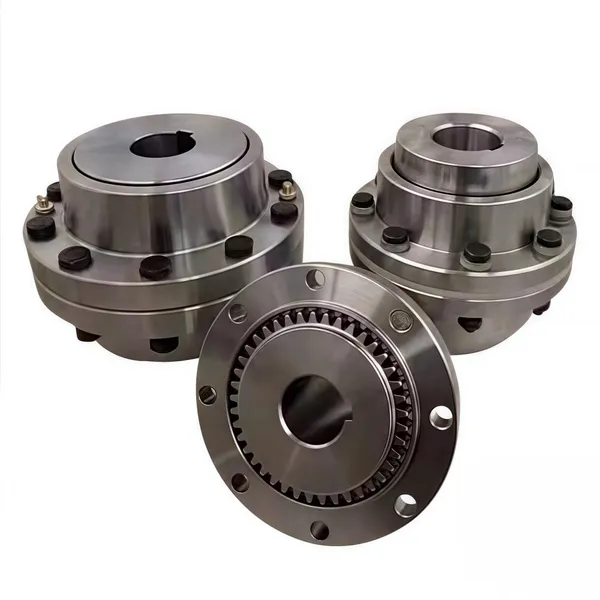
High Transmission Efficiency Drum Gear Coupling Easy Installation Gear Coupler For Heavy MachineryNegotiableMOQ: 10 Pieces
-
High-Torque Roller Chain Coupling Durable Steel Aluminium Construction Customizable Precision Engineering OEM Shaft CouplingsNegotiableMOQ: 2 Pieces
-
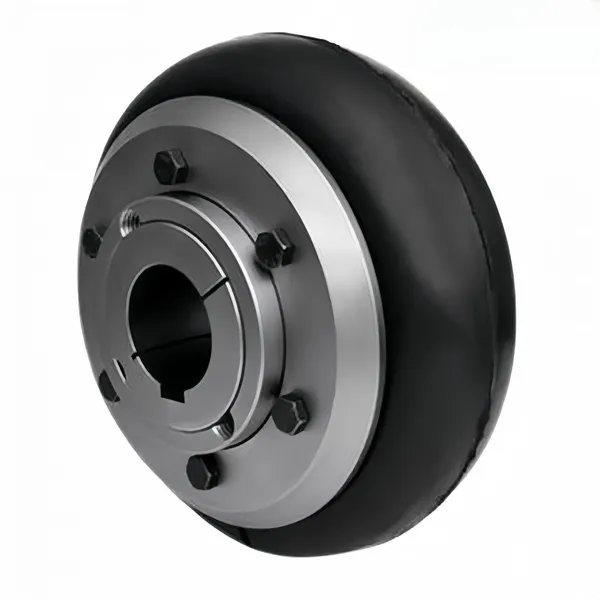
Customizable Rigid Iron Steel Aluminium Rubber Tyre Coupling OEM Support for Pumps Industrial Equipment Construction IndustriesNegotiableMOQ: 10 Pieces
-
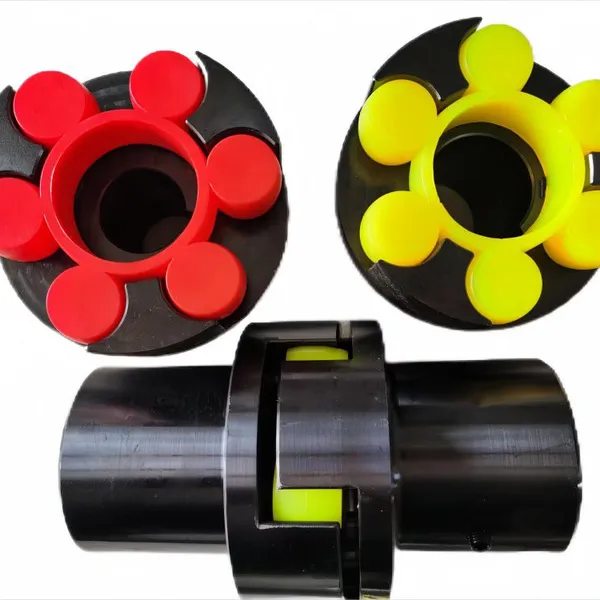
Jsb Flexible Grid Coupling With Metallic Elastic Element Factory Direct Spider Snake Spring CouplingNegotiableMOQ: 10 Pieces
-
High Torque JQ/JQW Type Clamp Coupling for Motor & Gearbox 45 Steel Jacketed Iron Disc Structure Flexible Rigid OEM SupportedNegotiableMOQ: 2 Pieces
-
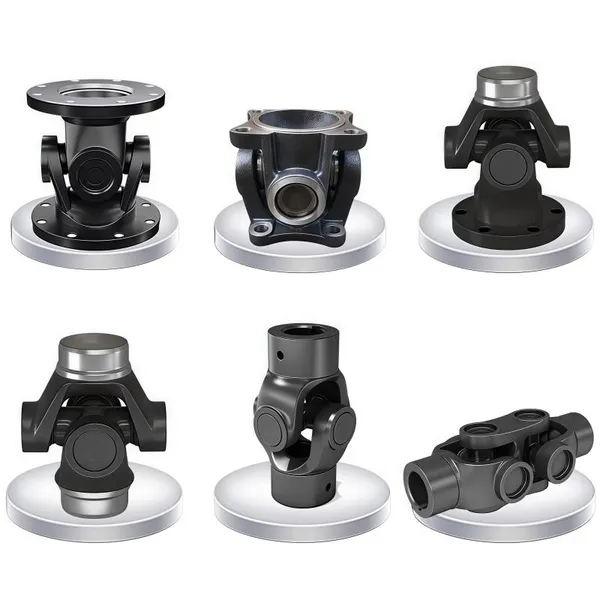
SWC Series Flange Universal Joint Coupling Hardened Cross Shaft Heavy Duty TransmissionNegotiableMOQ: 1 Piece
-
Heavy Duty Universal Coupling High Quality Universal Shaft for Machinery and EquipmentNegotiableMOQ: 1 Piece
-
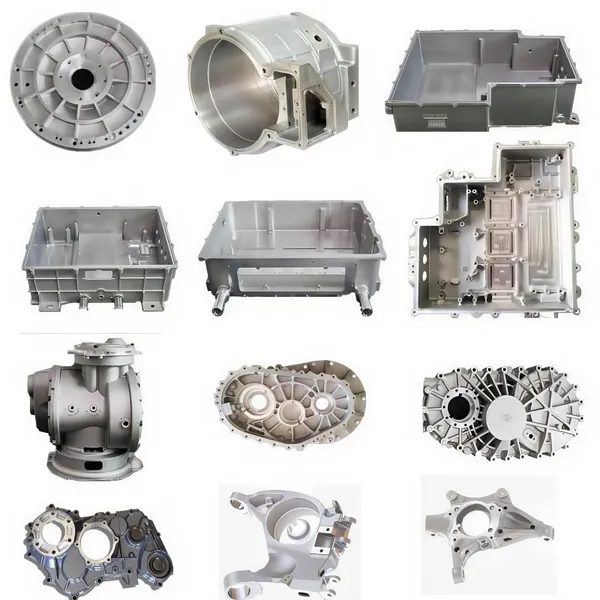
OEM Customized Precision Cast Iron Zinc Aluminum Die Castings New Hydraulic Parts Fittings 1 Year WarrantyNegotiableMOQ: 100 Pieces
-
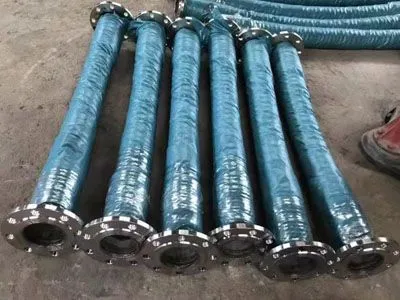
Flexible Acid and Alkali Resistant Rubber Hose With Flange Ends for Industrial Waste Liquid TransportationNegotiableMOQ: 500 Meters
-
Yl Series Rigid Flange Coupling Power Transmission PartsNegotiableMOQ: 2 Pieces
-
Flange Coupling for Water Pump and Compressor Applications With Rubber Gasket SealNegotiableMOQ: 2 Pieces
-
Heavy-Duty Telescopic Welding Cardan Shaft for Universal UseNegotiableMOQ: 1 Piece
-
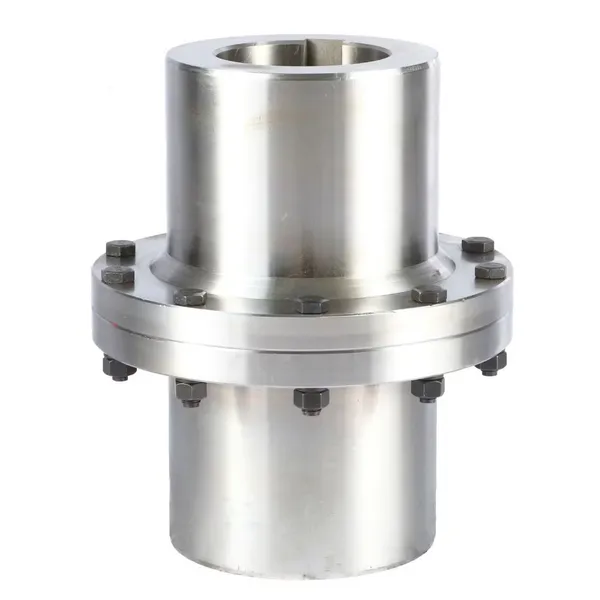
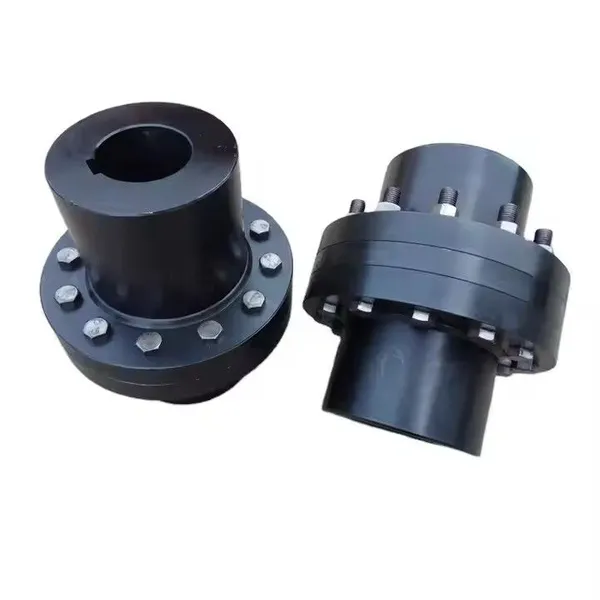
Flexible Universal Shaft Flange Coupling for Marine and Industrial Drive SystemsNegotiableMOQ: 10 Pieces
-
Durable Expansion Sleeve, Locking Assembly & Taper Lock Bushing for Robotic Arm JointsNegotiableMOQ: 1 Piece
-
High Quality Yl Type Rigid Flange Coupling Mechanical Transmission CouplingNegotiableMOQ: 2 Pieces
-
Stainless Steel Flexible Universal Joint Coupling for Motor Flange Gear Pump and Spline ShaftNegotiableMOQ: 1 Piece
-
Compact Drum Gear Coupling for Heavy Industrial Transmission High Torque CapacityNegotiableMOQ: 10 Pieces
-
TL Series Elastic Pin Coupling Easy Replace Rubber Bush Coupling With Shaft Misalignment CompensationNegotiableMOQ: 10 Pieces