
 Business License
Coupling Manufacturer: How to Choose a Reliable Supplier for Industrial Drives
A procurement manager at a cement plant in Southeast Asia received three quotations for the same drum gear coupling. The prices were close, but the suppliers were not.
One was a trading company with no factory visit records. Another had a website but no clear quality certifications. The third was a coupling manufacturer with an ISO-certified factory, in-house machining, and a history of supplying heavy industry.
The manager chose the third supplier, not because the price was lowest, but because the risk of failure during the next shutdown was too high to ignore.
This guide explains how to evaluate a coupling manufacturer before placing an order. You'll learn which capabilities matter, what questions to ask, and how to spot the difference between a broker and a real manufacturer. Whether you're sourcing standard couplings for new equipment or custom parts for a legacy machine, this article will help you make a confident supplier choice.
At Hebei Suju, we're a coupling manufacturer and custom coupling manufacturer based in North China, supplying gear couplings, flexible couplings, cardan shafts, and custom transmission parts to buyers in more than 30 countries. Our factory is ISO 9001, ISO 14001, and ISO 45001 certified, and we produce both catalog and drawing-based custom couplings.
What Does a Coupling Manufacturer Actually Do?
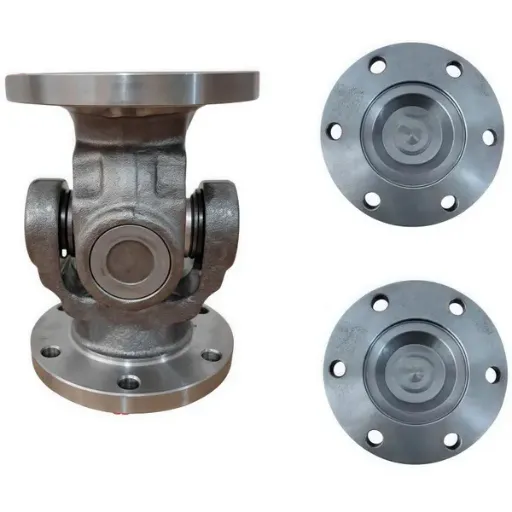
A coupling manufacturer designs, machines, assembles, and inspects shaft couplings that connect rotating equipment in industrial power transmission systems. The scope of work ranges from standard catalog items to fully custom parts engineered for specific torque, speed, misalignment, and environmental conditions.
A real coupling manufacturer controls production in-house. This includes raw material procurement, forging or casting, machining, heat treatment, finishing, assembly, and quality inspection. A trading company or broker, by contrast, sources couplings from third-party factories and adds margin without direct control over quality or delivery.
For buyers, the difference matters. For example, when a coupling fails in a steel mill, mining crusher, or pump station, the cost of downtime usually exceeds the cost of the part. Working with a coupling manufacturer that owns the process reduces the risk of inconsistent material, missed tolerances, and delayed shipments.
Why the Right Coupling Manufacturer Matters
Choosing the wrong industrial coupling supplier can lead to problems that appear long after the first shipment arrives. Common issues include:
Inconsistent quality: Batches vary in hardness, dimensions, or surface finish.
Wrong material: Substitutions that do not match the agreed specification.
Delayed delivery: Promised lead times slip because the supplier lacks capacity.
Poor communication: Technical questions are answered slowly or incorrectly.
No after-sales support: Failed parts are not investigated or replaced properly.
A reliable coupling manufacturer prevents these problems by maintaining standardized processes, documented inspections, and engineering support throughout the project. Therefore, supplier evaluation isn't just about price; it's about reducing the total cost of ownership over the equipment life.
Mini-Story: An MRO supervisor named Elena ordered a batch of flexible couplings from a low-cost online supplier for a compressor station. The first units looked fine, but after six months, three couplings cracked at the spider recess. The supplier offered replacements but could not explain why the failures happened.
Elena switched to a coupling manufacturer with material certificates and hardness testing. The new parts cost 15% more, but the failure rate dropped to zero over two years.
Key Factors to Evaluate in a Coupling Manufacturer
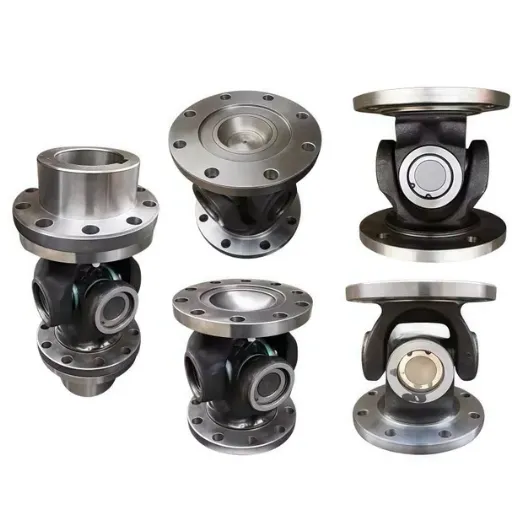
Not every coupling manufacturer is the right fit for every project. Evaluate these factors before requesting a quotation.
1. Manufacturing Capability and Equipment
A capable coupling manufacturer should have the machines and processes needed for your coupling type. For gear couplings, this includes CNC lathes, milling machines, gear cutting equipment, and heat treatment furnaces. For flexible or jaw couplings, precision machining and molding or casting capabilities matter. For cardan shafts, deep-hole boring, spline cutting, and dynamic balancing equipment are essential.
Ask what equipment is in-house and what is outsourced. However, outsourcing is not always bad; the manufacturer should control the critical steps and inspect subcontracted work. For example, a supplier making steel mill couplings or couplings for mining needs heat treatment and hardness testing capacity on site.
2. Quality Management System and Coupling Quality Control
Look for a coupling manufacturer with a certified quality management system. ISO 9001 is the minimum standard for most industrial buyers. Additional certifications such as ISO 14001 and ISO 45001 show that the factory manages environmental and safety risks systematically.
A strong coupling quality control system should cover:
Incoming material inspection and traceability.
In-process checks during machining and heat treatment.
Final inspection of dimensions, hardness, and surface finish.
Documentation such as inspection reports and material certificates.
At Hebei Suju, our quality control process covers each of these stages, and we provide certificates on request.
3. Experience With Your Industry
Couplings for steel mills face different demands than couplings for pumps or automation equipment. A coupling manufacturer that understands your industry is more likely to recommend the right material, heat treatment, and design details.
Ask for references or case studies in similar applications. Heavy industry buyers should look for experience with drum gear couplings, steel mill couplings, couplings for mining, cement plants, and rolling mills. Buyers in general machinery may prioritize flexible couplings, jaw couplings, and cardan shafts.
4. Coupling Customization and Engineering Support
If your project involves non-standard bores, special materials, or legacy replacement parts, coupling customization capability is critical. A strong coupling manufacturer offers drawing review, material selection, prototype production, and engineering feedback before quoting.
At Hebei Suju, we produce custom couplings from customer drawings or worn samples. Our engineers review manufacturability, recommend materials, and confirm torque and fit requirements before production starts. For a quick review, send us your drawing.
5. Export Experience and Documentation
International buyers need more than just a good product. They need reliable export packing, customs documentation, and logistics coordination. A coupling manufacturer and OEM coupling supplier with a stable export record to Europe, Southeast Asia, the Middle East, Africa, and the Americas is usually better prepared for these requirements.
Ask about:
Export packing standards.
Lead times for sea and air freight.
Documentation such as mill test reports, certificates of origin, and commercial invoices.
Experience with your country's import requirements.
Private labeling, customer part numbers, or OEM documentation if needed.
Questions to Ask Before You Order
Use these questions to separate a real coupling manufacturer from a broker or low-quality supplier.
Can we visit or audit your factory? A genuine manufacturer welcomes audits. A broker often deflects.
What is your in-house equipment list? Look for specific machines, not vague claims.
Can you provide material certificates and inspection reports? Documentation proves traceability.
What is your typical lead time for standard and custom couplings? Compare against your project schedule.
How do you handle quality complaints or failures? A reliable supplier investigates root causes.
Can you produce from our drawing or sample? This tests customization capability.
What certifications do you hold? ISO 9001 is a baseline; additional certifications add confidence.
Which industries do you supply regularly? Relevant experience reduces project risk.
Can you support OEM orders and private labeling? This matters if you need an OEM coupling supplier.
Red Flags to Avoid
Some warning signs indicate a supplier may not be the coupling manufacturer they claim to be.
No factory address or only a trading office location.
Vague answers about equipment and processes.
Unwillingness to provide certificates or inspection records.
Prices far below market average without explanation.
No technical staff available to review drawings.
Generic product photos copied from other websites.
These signs don't always mean a supplier is dishonest, but they do mean you should verify capabilities before committing.
Coupling Manufacturer vs Trading Company
Many buyers compare factory-direct coupling manufacturers with trading companies. Each model has advantages and disadvantages.
| Factor | Coupling Manufacturer | Trading Company |
|---|---|---|
| Price | Competitive, no middleman margin | Often higher due to markup |
| Quality control | Direct, in-house oversight | Dependent on subcontractor |
| Customization | Engineering support available | Limited, slower communication |
| Communication | Direct with factory engineers | Filtered through sales team |
| Delivery reliability | Factory controls scheduling | Coordinates with third parties |
| Documentation | Direct from production | May lack detailed records |
For standard, low-risk couplings, a trading company may be acceptable. For custom parts, critical equipment, or large orders, a direct coupling manufacturer is usually the safer choice.
Hebei Suju: A Coupling Manufacturer in China for Industrial Buyers
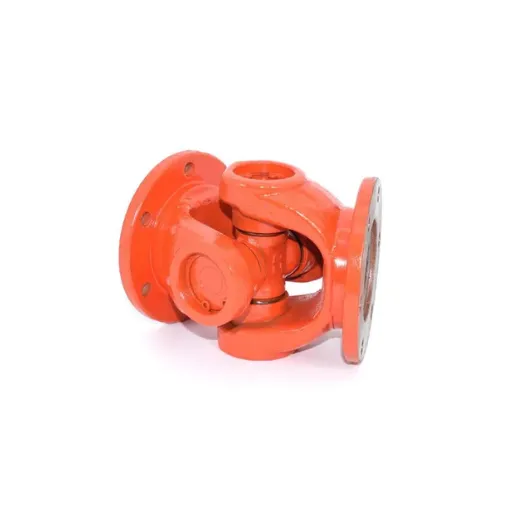
Hebei Suju Transmission Technology Co., Ltd. is a coupling manufacturer in China located in Botou City, Hebei Province. Our factory covers 3,800+ m² with a 2,200 m² standardized production workshop and more than 80 sets of processing and testing equipment.
We produce:
Drum gear couplings for steel, mining, cement, and heavy machinery.
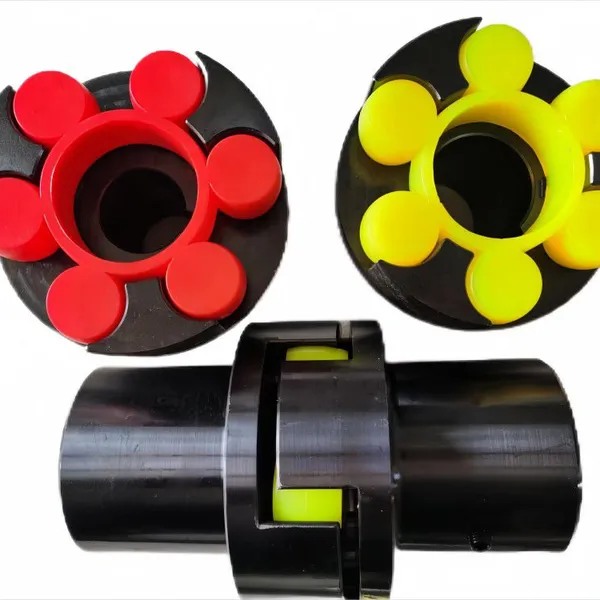
Flexible couplings, including jaw, tyre, and pin types.
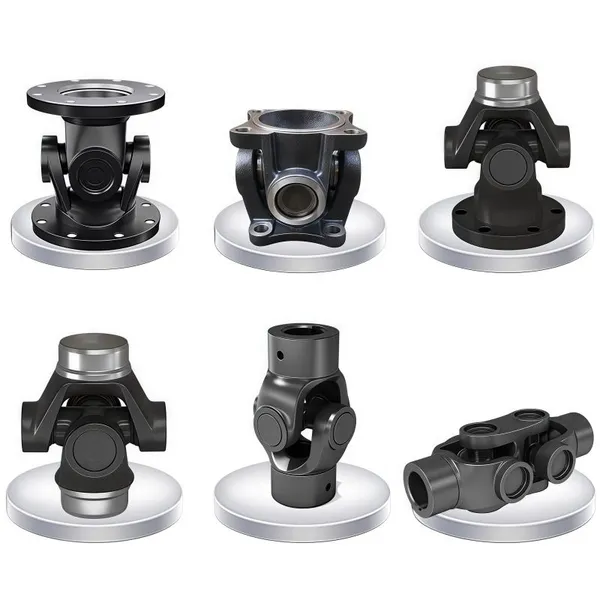
Cardan shafts and universal joint couplings for mobile and industrial drives. Also see our universal joint coupling guide.
Industrial couplings in standard and custom sizes.
Our quality system is certified to ISO 9001, ISO 14001, and ISO 45001. We offer drawing-based customization, sample production, and full-process inspection reports. We have exported to Europe, Southeast Asia, the Middle East, Africa, and the Americas.
Mini-Story: A distributor in the Middle East needed a non-standard drum gear coupling for a cement plant replacement. The original drawing had incomplete dimensions. Hebei Suju's engineers reviewed the worn sample, filled in the missing measurements, and proposed a material upgrade to handle the plant's dust and shock loads. The coupling was delivered within the shutdown window and has operated without failure for more than 18 months.
How to Start Working With a Coupling Manufacturer
If you are ready to source from a coupling manufacturer, follow these steps.
Define your requirements. Collect torque, speed, misalignment, bore sizes, material needs, and operating environment data.
Request technical review. Send your drawing, sample, or specification to the supplier for feedback.
Compare quotations. Look at price, lead time, material, inspection scope, and documentation, not just unit cost.
Order a sample if needed. For custom parts, a sample lets you verify fit and finish before volume production.
Confirm inspection and delivery terms. Agree on reports, packing, shipping method, and payment terms before production.
For help choosing the right product type, see our coupling selection guide.
Frequently Asked Questions About Choosing a Coupling Manufacturer
What is the difference between a coupling manufacturer and a coupling supplier?
A coupling manufacturer owns the production process: material sourcing, machining, heat treatment, assembly, and inspection. A coupling supplier or trading company buys finished parts from factories and resells them. The manufacturer gives you direct control over quality and delivery; the supplier adds a middle layer that can slow communication and obscure accountability.
Why choose a coupling manufacturer in China?
China has a deep supply base for industrial power transmission parts, tooling, and raw materials such as alloy steel. A coupling manufacturer in China can often offer competitive pricing, large production capacity, and experience with export documentation. The key is to verify that the factory is real, certified, and willing to share inspection records.
What certifications should a coupling manufacturer have?
ISO 9001 is the baseline for quality management. ISO 14001 and ISO 45001 show that the factory also manages environmental and safety risks. For gear or heavy-duty couplings, buyers may also look for experience with industry standards from organizations such as the American Gear Manufacturers Association.
Can a coupling manufacturer produce custom parts from a drawing?
Yes. A custom coupling manufacturer can produce parts from your drawing, sample, or worn component. The process usually includes engineering review, manufacturability feedback, sample approval, and volume production. At Hebei Suju, we also reverse-engineer legacy parts when the original drawing is missing or incomplete.
How long does it take to receive an order from an overseas coupling manufacturer?
Standard catalog parts often ship in 2-4 weeks. Custom parts may take 4-8 weeks depending on complexity, material availability, and inspection scope. Sea freight adds 3-6 weeks, while air freight is faster but more expensive. Confirm the full timeline, including packing and customs documentation, before placing the order.
Conclusion
Choosing the right coupling manufacturer is one of the most important decisions in keeping industrial drives reliable. A capable manufacturer offers in-house production, certified quality systems, industry experience, customization support, and stable export logistics. A weak supplier creates hidden risks that appear as failures, delays, and extra costs.
Key takeaways:
A real coupling manufacturer controls design, machining, heat treatment, and inspection in-house.
ISO 9001 certification and material traceability are minimum requirements for industrial buyers.
Industry experience helps the manufacturer recommend the right coupling type and material.
Customization capability matters for legacy equipment and special working conditions.
Export experience ensures smooth logistics and documentation.
At Hebei Suju, we help buyers evaluate, select, and manufacture couplings for machinery manufacturing, steel, mining, cement, chemical, and automation applications. Explore our coupling range or request a quotation for your next project.
Recently Posted
-
Jaw Coupling Spider Replacement: A Step-by-Step Maintenance Guide
July 28, 2026A maintenance technician at a packaging plant in Brazil noticed vibration on a motor-pump set during his morning rounds. The motor Read More
 -
Flexible Coupling for Motor Pump Sets: A Selection Guide
July 28, 2026A maintenance manager at a water treatment plant in Southeast Asia called us after replacing motor pump couplings three times in 1 Read More
 -
Flexible Shaft Coupling: Selection Guide for Industrial Drives
July 28, 2026When two rotating shafts are connected directly, even a small amount of misalignment can generate vibration, bearing load, and pre Read More
 -
Elastic Coupling: Vibration Control for Industrial Drives
July 28, 2026When a motor-pump set starts vibrating above acceptable limits, the first checks usually fall on bearing wear, impeller balance, o Read More

Contact Us
Recommended Products
-
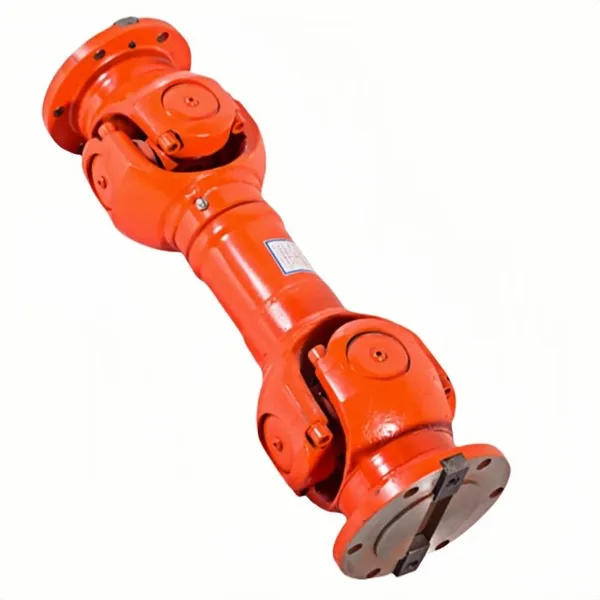
 OEM Customizable Cardan Shaft Coupling Flexible Rigid Steel for Air Compressor Propeller Universal Construction Printing ShopsNegotiableMOQ: 2 Pieces
 -
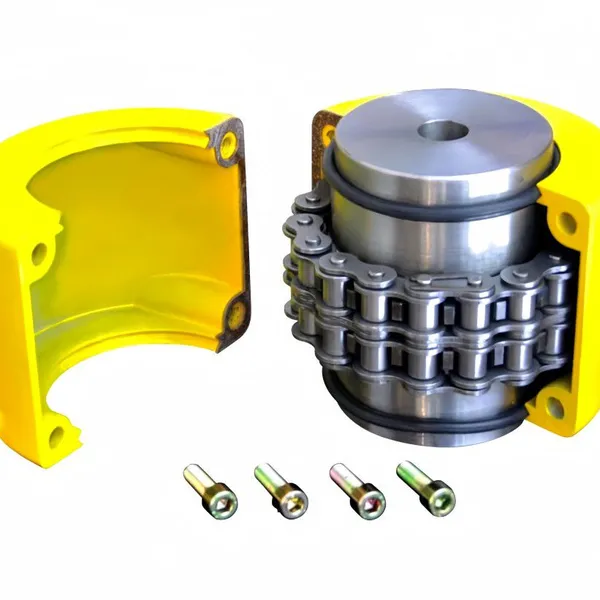
Kc Coulpling Roller Chain Coupling Set With Chain and Sprocket for General MachineryNegotiableMOQ: 1 Piece
-
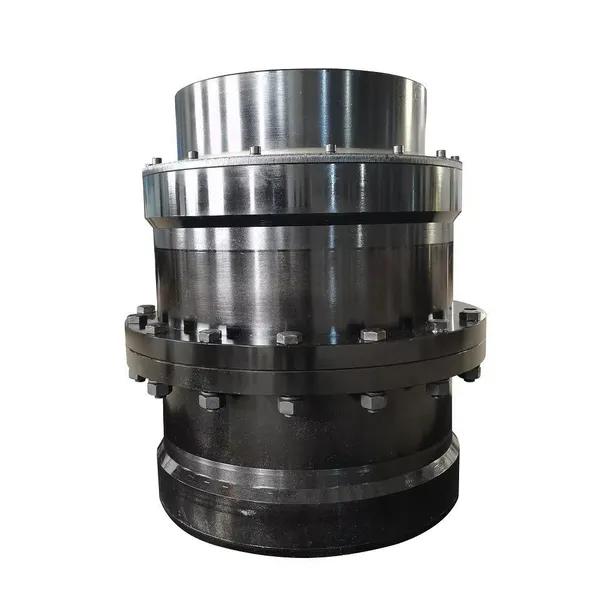
High Transmission Efficiency Drum Gear Coupling Easy Installation Gear Coupler For Heavy MachineryNegotiableMOQ: 10 Pieces
-
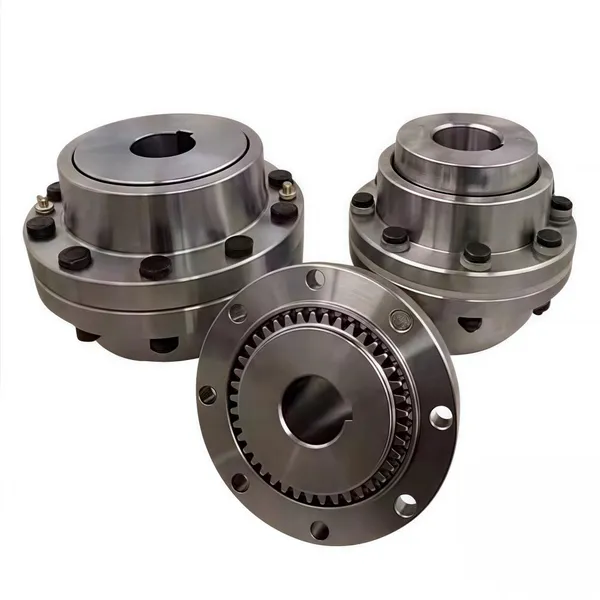
High-Torque Roller Chain Coupling Durable Steel Aluminium Construction Customizable Precision Engineering OEM Shaft CouplingsNegotiableMOQ: 2 Pieces
-
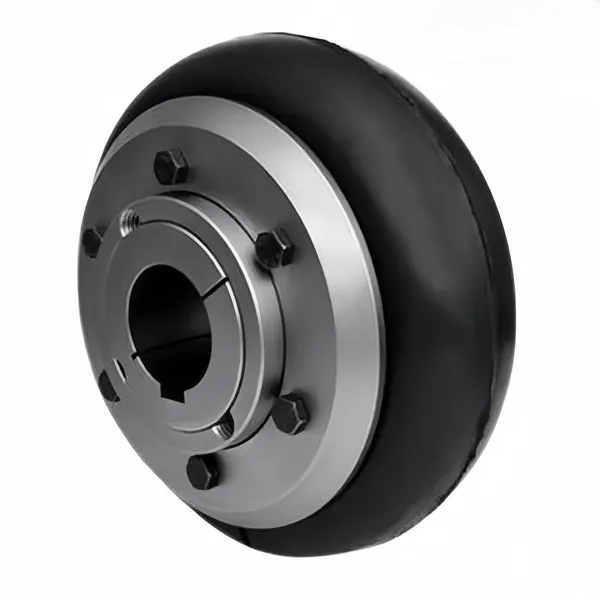
Customizable Rigid Iron Steel Aluminium Rubber Tyre Coupling OEM Support for Pumps Industrial Equipment Construction IndustriesNegotiableMOQ: 10 Pieces
-
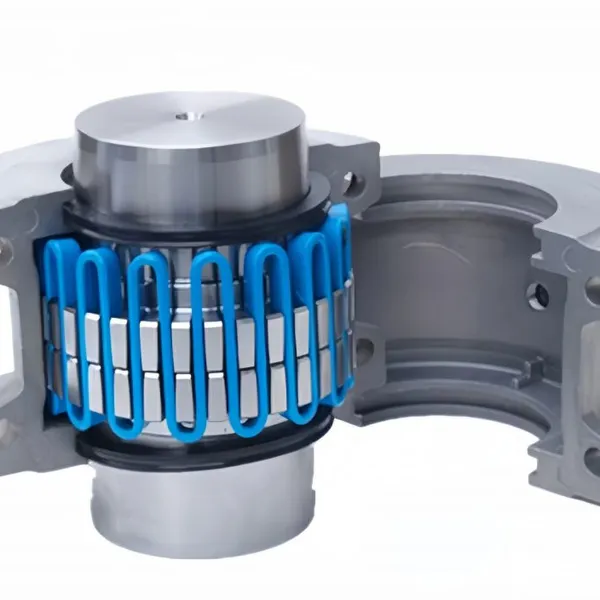
Jsb Flexible Grid Coupling With Metallic Elastic Element Factory Direct Spider Snake Spring CouplingNegotiableMOQ: 10 Pieces
-
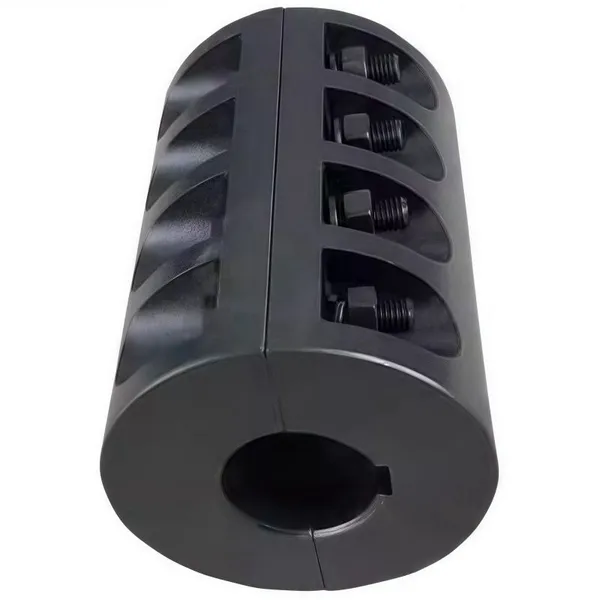
High Torque JQ/JQW Type Clamp Coupling for Motor & Gearbox 45 Steel Jacketed Iron Disc Structure Flexible Rigid OEM SupportedNegotiableMOQ: 2 Pieces
-
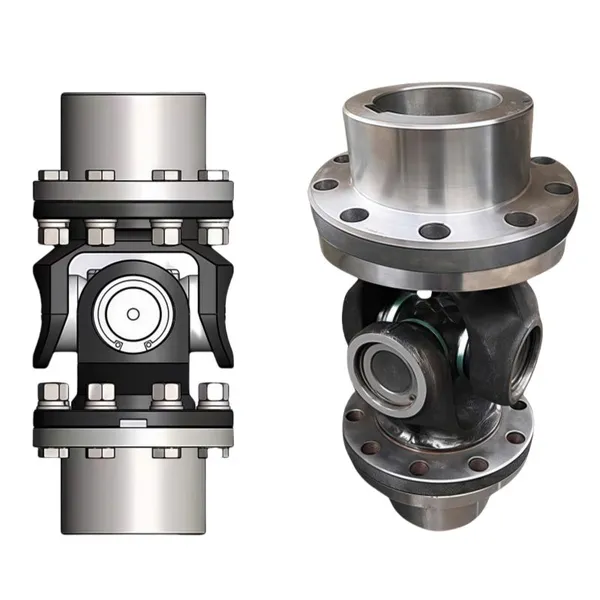
SWC Series Flange Universal Joint Coupling Hardened Cross Shaft Heavy Duty TransmissionNegotiableMOQ: 1 Piece
-
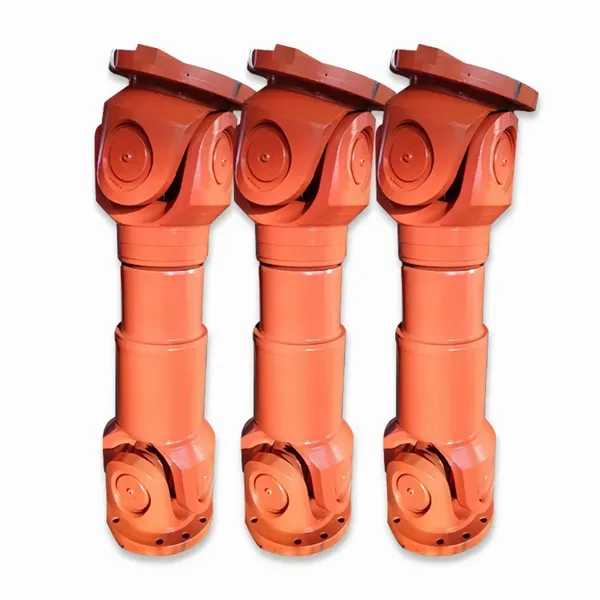
Heavy Duty Universal Coupling High Quality Universal Shaft for Machinery and EquipmentNegotiableMOQ: 1 Piece
-
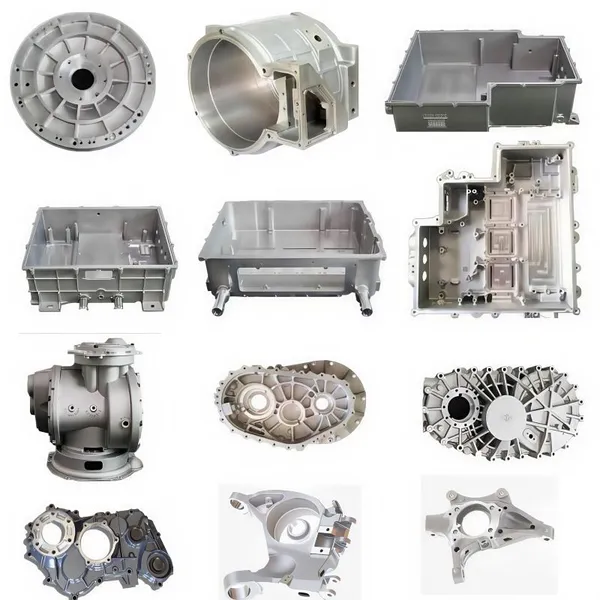
OEM Customized Precision Cast Iron Zinc Aluminum Die Castings New Hydraulic Parts Fittings 1 Year WarrantyNegotiableMOQ: 100 Pieces
-
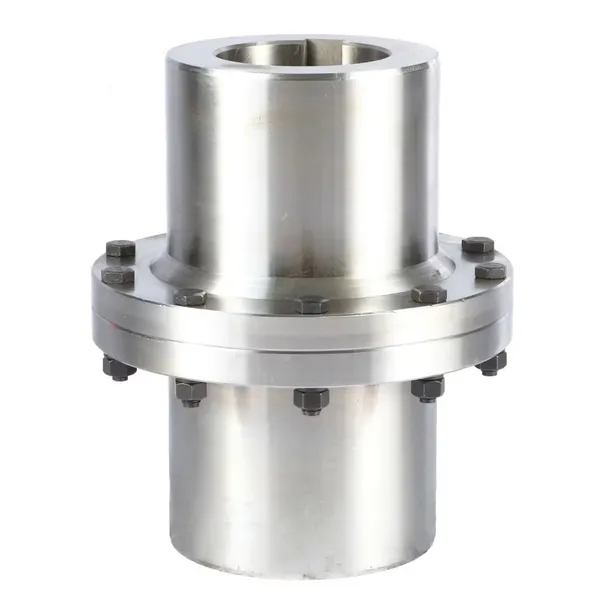
Yl Series Rigid Flange Coupling Power Transmission PartsNegotiableMOQ: 2 Pieces
-
Flange Coupling for Water Pump and Compressor Applications With Rubber Gasket SealNegotiableMOQ: 2 Pieces
-
Heavy-Duty Telescopic Welding Cardan Shaft for Universal UseNegotiableMOQ: 1 Piece
-
Flexible Universal Shaft Flange Coupling for Marine and Industrial Drive SystemsNegotiableMOQ: 10 Pieces
-
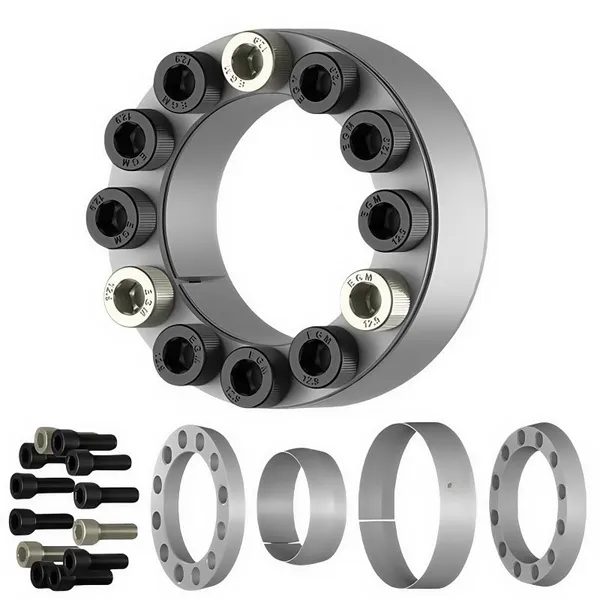
Durable Expansion Sleeve, Locking Assembly & Taper Lock Bushing for Robotic Arm JointsNegotiableMOQ: 1 Piece
-
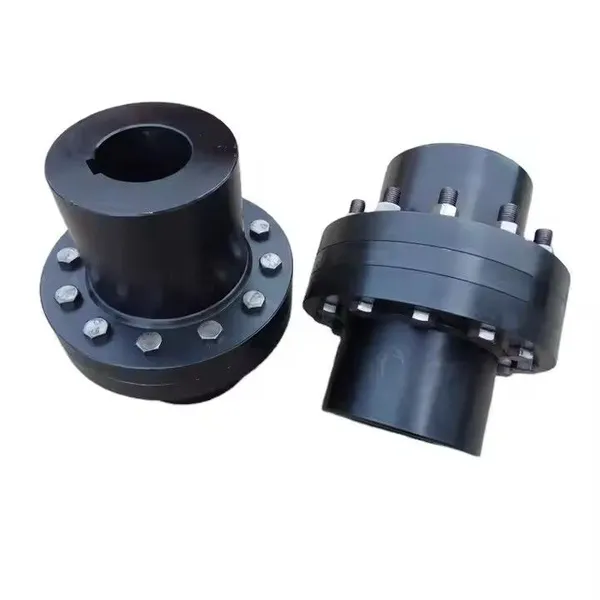
High Quality Yl Type Rigid Flange Coupling Mechanical Transmission CouplingNegotiableMOQ: 2 Pieces
-
Stainless Steel Flexible Universal Joint Coupling for Motor Flange Gear Pump and Spline ShaftNegotiableMOQ: 1 Piece
-
Compact Drum Gear Coupling for Heavy Industrial Transmission High Torque CapacityNegotiableMOQ: 10 Pieces
-
TL Series Elastic Pin Coupling Easy Replace Rubber Bush Coupling With Shaft Misalignment CompensationNegotiableMOQ: 10 Pieces
-
Professional Manufacture SWC-Wf Cardan Shaft Universal Joint CouplingNegotiableMOQ: 1 Piece