
 Business License
Jaw Coupling: A Practical Guide for Pumps, Motors, and Machinery
A maintenance team in a water treatment plant replaced a worn jaw coupling with the wrong spider hardness. Within three weeks, the new insert was tearing apart and the pump motor was running hot. The problem was not the coupling design. It was a mismatch between the spider material and the operating conditions.
This guide explains how to select, install, and maintain a jaw coupling for industrial drives. You will learn how the spider insert absorbs vibration, which spider material fits different environments, and how to avoid the mistakes that shorten coupling life. Whether you are maintaining a pump motor set or specifying couplings for new machinery, this article will help you make a reliable choice.
At Hebei Suju, we supply jaw couplings with polyurethane, rubber, and Hytrel spiders for pumps, compressors, conveyors, and general machinery. Our team can also produce custom jaw couplings from your drawing or sample.
What Is a Jaw Coupling?
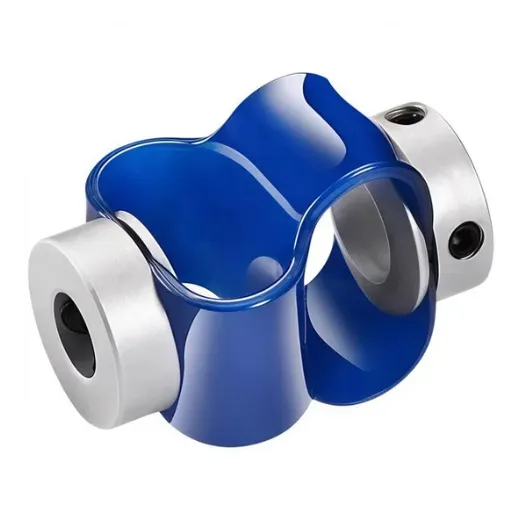
A jaw coupling is a flexible shaft coupling that uses two hubs with interlocking jaws and a replaceable elastomer insert called a spider. The spider sits between the jaws and transmits torque while absorbing vibration, dampening shock, and accommodating small amounts of misalignment.
Jaw couplings are popular because they are simple, compact, and economical. They do not require lubrication, and the spider can be replaced without removing the hubs from the shafts. This makes them ideal for pump-motor sets, fans, compressors, conveyors, and many other general industrial drives.
The jaw coupling is one of the most common flexible coupling types. It handles lower torque and misalignment than gear couplings, but it costs less and needs less maintenance. For many medium-duty applications, it is the right balance of performance and price.
How Jaw Couplings Work
Torque enters the driving hub and pushes against the spider legs. The spider transmits torque to the driven hub through the opposite legs. Because the spider is elastic, it compresses slightly under load and absorbs vibration between the two machines.
The jaws do not touch each other directly under normal operation. The spider fills the gap and carries all the torque. If the spider wears out or fails, the jaws may start to make metal-to-metal contact. This creates noise and can damage the hubs if the coupling is not repaired.
Jaw couplings handle small amounts of angular, parallel, and axial misalignment. However, excessive misalignment increases stress on the spider and shortens its life. Proper alignment during installation is one of the easiest ways to extend service life.
Pro Tip: Always align shafts within the manufacturer's recommended limits. Even though jaw couplings tolerate misalignment, operating near the limit causes the spider to overheat and wear faster.
Jaw Coupling Types and Spider Materials
Jaw couplings share the same basic design, but spider material and hub style create important differences. Selecting the right combination is the key to reliable performance.
Standard Jaw Coupling
A standard jaw coupling uses aluminum or cast iron hubs with a polyurethane or rubber spider. It is the most common configuration for pumps, fans, and general machinery. Standard couplings are economical and widely available in stock sizes.
Curved Jaw Coupling
Curved jaw couplings have curved jaw profiles that provide more contact area with the spider. This increases torque capacity and improves damping compared to straight jaw designs. Curved jaw couplings are often used when higher torque or smoother operation is needed.
Spider Materials
The spider is the wearing element in a jaw coupling. Different materials suit different environments.
Polyurethane (92 Shore A) is the most common choice. It offers good wear resistance, decent chemical resistance, and a wide temperature range. It is suitable for most pump, fan, and compressor applications.
Rubber spiders provide better vibration damping and shock absorption than polyurethane. They are a good choice for applications with frequent starts and stops or reversing loads. However, rubber may degrade faster in oily or high-temperature environments.
Hytrel is a thermoplastic elastomer that combines strength with flexibility. Hytrel spiders handle higher torque and temperature than standard polyurethane. They are often used in more demanding industrial drives.
At Hebei Suju, we help customers select the right spider material based on torque, temperature, chemical exposure, and duty cycle. Send us your application data and we will recommend the best combination.
Jaw Coupling Selection: 5 Key Criteria
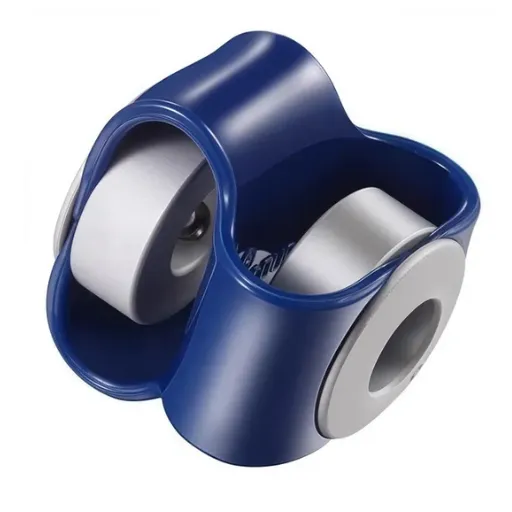
Selecting the right jaw coupling requires more than matching a catalog bore size. Engineers should evaluate torque, speed, misalignment, environment, and duty cycle together.
1. Rated Torque and Service Factor
The coupling must handle the continuous torque of the drive plus any overloads. Calculate nominal torque from motor power and speed, then multiply by a service factor based on the application severity.
For example, a 15 kW motor running at 1,450 RPM produces approximately 99 N·m of nominal torque. With a service factor of 1.5, the coupling should be rated for at least 148 N·m. Applications with frequent starts, stops, or reversals may need a higher service factor.
Mini-Story: An HVAC contractor named David selected a standard jaw coupling for a chilled water pump based only on bore size. The pump started and stopped 20 times per day. Within four months, the polyurethane spider was cracking from fatigue. After switching to a rubber spider with a higher service factor, the coupling lasted more than two years without replacement.
2. Operating Speed
Most standard jaw couplings operate well at speeds up to 3,600 RPM. Higher speeds require attention to balance. An unbalanced coupling causes vibration, noise, and premature bearing wear. For high-speed applications, specify dynamically balanced hubs.
3. Shaft Misalignment
Jaw couplings tolerate small amounts of angular, parallel, and axial misalignment. Typical values are:
Angular misalignment: 0.5° to 1.5°
Parallel misalignment: 0.1 to 0.5 mm
Axial movement: 0.5 to 2.0 mm
These values vary by coupling size and manufacturer. Always check the catalog rating for your specific model. Operating within 50% of the rated misalignment will significantly extend spider life.
4. Operating Environment
The environment affects spider selection and coupling life. Consider:
Temperature: Polyurethane spiders typically handle -30 °C to 80 °C. High-temperature applications may need Hytrel or special compounds.
Chemicals: Oil, grease, and some cleaning chemicals can degrade polyurethane. Rubber or Hytrel may resist better depending on the chemical.
Moisture and dust: In harsh environments, specify sealed or covered couplings to protect the spider.
5. Backlash and Positioning
Standard jaw couplings have small amounts of backlash because of the clearance between the jaws and spider. This is acceptable for most pump and fan drives. However, for positioning systems or servo drives, a diaphragm coupling with zero backlash is usually the better choice.
Common Jaw Coupling Applications
Jaw couplings are used wherever medium torque, vibration damping, and easy maintenance are needed. Here are the most common applications Hebei Suju supplies.
Pump and Motor Sets
Jaw couplings are the default choice for many centrifugal and positive displacement pumps. The spider absorbs vibration from the motor and protects the pump bearings from shock loads.
Fans and Blowers
Ventilation fans and blowers use jaw couplings because they are quiet, low cost, and easy to maintain. The elastomer spider also dampens noise and vibration.
Compressors
Air compressors and refrigeration compressors connect motors to compressors with jaw couplings. The coupling must handle cyclic torque while staying compact and reliable.
Conveyors and Material Handling
Light and medium-duty conveyors use jaw couplings between motors, gearboxes, and rollers. The shock absorption helps protect gearboxes during starts and stops.
Machine Tools and Automation
Some automation equipment uses jaw couplings where precise positioning is not critical. For servo-driven positioning, consider a zero-backlash alternative.
Jaw Coupling Installation Best Practices
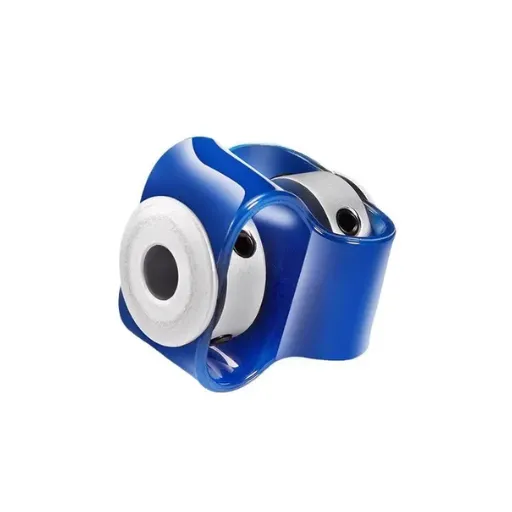
Proper installation prevents premature wear and vibration problems. Follow these steps.
Align the Shafts
Use a straightedge, dial indicator, or laser alignment tool to check angular and parallel misalignment. Adjust the motor or driven machine until alignment is within the coupling manufacturer's limits.
Install the Hubs
Slide the hubs onto the shafts and secure them. Do not over-tighten set screws or clamp bolts, as this can damage the shaft or distort the hub. Use a torque wrench if the manufacturer specifies torque values.
Insert the Spider
Place the spider between the hubs so the legs engage all jaw recesses evenly. Make sure the spider is fully seated and not twisted.
Check Runout and Gap
Rotate the coupling by hand and check for binding or rubbing. Verify that the hub faces are parallel and the axial gap matches the manufacturer's recommendation.
Test Run
Start the machine at low speed and check for vibration or unusual noise. If everything is smooth, bring the machine up to operating speed and monitor temperature and vibration during the first few hours.
Maintenance and Troubleshooting
Jaw couplings need less maintenance than gear couplings, but periodic inspection is still important.
Inspect the Spider Regularly
Check the spider for cracks, tearing, deformation, or hardening during planned maintenance. A worn spider may cause vibration, noise, or reduced damping. Replace the spider before it fails completely.
Watch for Warning Signs
Noise: Clicking or rattling may indicate a worn spider or loose hardware.
Vibration: Increased vibration often means the spider is deteriorating or the alignment has shifted.
Heat: A hot coupling may signal misalignment or an undersized spider.
Visible wear: Cracks, chunks missing, or discolored spider material mean replacement is needed.
Replace in Pairs When Needed
Always use the correct spider material and size for the application. Keep spare spiders in stock for critical equipment. In some cases, replacing both hubs and the spider as a matched set is better if the hubs show wear.
Jaw Coupling vs Gear Coupling
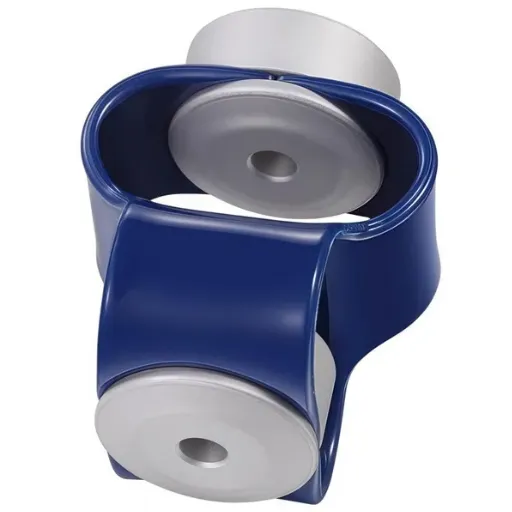
Engineers sometimes compare jaw couplings with gear couplings because both are flexible couplings. The right choice depends on torque, duty, and maintenance requirements.
| Factor | Jaw Coupling | Gear Coupling |
|---|---|---|
| Torque capacity | Low to medium | Very high |
| Misalignment tolerance | Low | Medium to high |
| Vibration damping | Excellent | Poor |
| Lubrication | None needed | Required |
| Maintenance | Replace spider | Lubricate and inspect teeth |
| Cost | Low | Higher |
| Best for | Pumps, fans, compressors | Steel mills, mining, crushers |
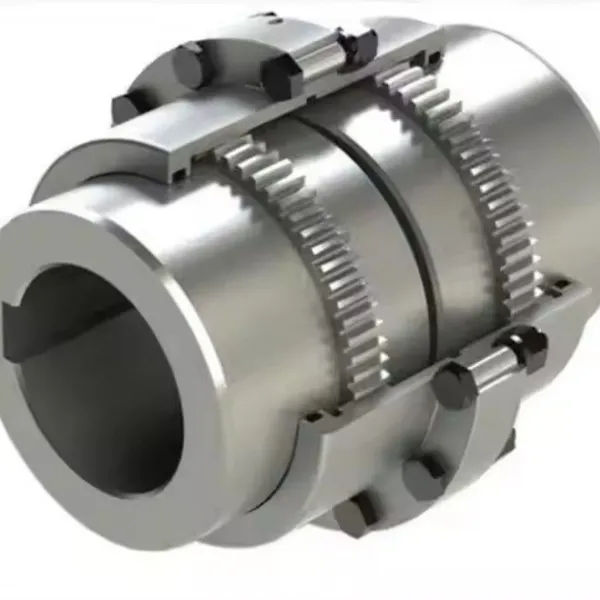
If your application needs high shock absorption, low cost, and minimal maintenance, a jaw coupling is usually the better choice. If you need very high torque capacity and tolerance to severe misalignment, a drum gear coupling may be more appropriate.
When to Consider a Custom Jaw Coupling
Catalog jaw couplings fit many applications, but custom designs are sometimes needed. Consider a custom jaw coupling when:
The shaft bores or keyways are non-standard.
The required torque falls outside standard ranges.
The environment needs a special spider material.
The hub geometry must match legacy equipment.
You need a prototype for new machinery development.
At Hebei Suju, we produce custom jaw couplings from customer drawings or samples. Send us your drawing or sample, and our engineers will review manufacturability and recommend materials.
Mini-Story: A food processing equipment manufacturer needed a stainless steel jaw coupling with a food-grade spider for a washdown environment. Standard aluminum hubs corroded too quickly, and standard spider materials failed sanitary requirements. Hebei Suju supplied custom stainless steel hubs with a food-safe elastomer spider, extending coupling life from three months to over a year.
Conclusion
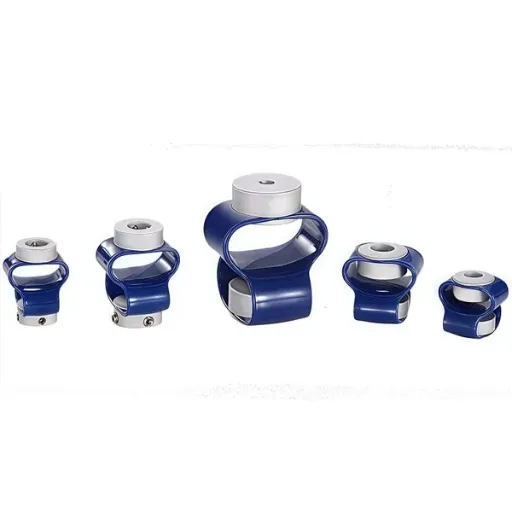
A jaw coupling is a practical, low-maintenance choice for pumps, fans, compressors, conveyors, and general machinery. The replaceable spider insert absorbs vibration, accommodates small misalignment, and keeps the drive running smoothly. Selecting the right spider material, aligning the shafts properly, and inspecting the spider regularly are the keys to long service life.
Key takeaways:
Jaw couplings use two hubs and a replaceable spider to transmit torque and dampen vibration.
Spider material selection is critical: polyurethane for general use, rubber for shock absorption, Hytrel for higher torque and temperature.
Align shafts within the manufacturer's rated limits to extend spider life.
Watch for noise, vibration, heat, and visible wear as warning signs.
Custom jaw couplings solve non-standard bore, material, and environmental requirements.
At Hebei Suju, we help engineers select and manufacture jaw couplings for pumps, motors, compressors, and automation equipment. Explore our flexible coupling range or request a quotation for your next project.
Recently Posted
-
Jaw Coupling Spider Replacement: A Step-by-Step Maintenance Guide
July 28, 2026A maintenance technician at a packaging plant in Brazil noticed vibration on a motor-pump set during his morning rounds. The motor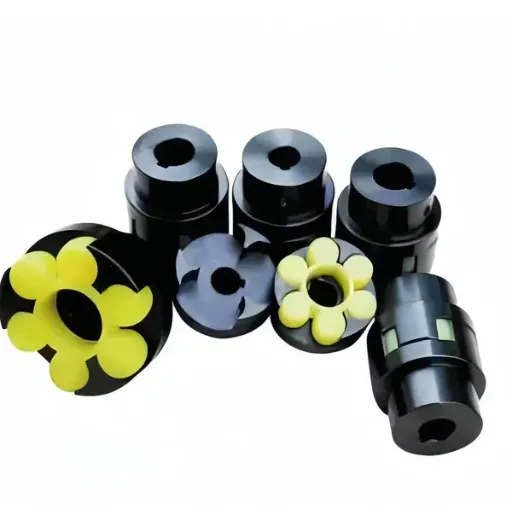 Read More
 -
Flexible Coupling for Motor Pump Sets: A Selection Guide
July 28, 2026A maintenance manager at a water treatment plant in Southeast Asia called us after replacing motor pump couplings three times in 1 Read More
 -
Flexible Shaft Coupling: Selection Guide for Industrial Drives
July 28, 2026When two rotating shafts are connected directly, even a small amount of misalignment can generate vibration, bearing load, and pre Read More
 -
Elastic Coupling: Vibration Control for Industrial Drives
July 28, 2026When a motor-pump set starts vibrating above acceptable limits, the first checks usually fall on bearing wear, impeller balance, o Read More

Contact Us
Recommended Products
-
 OEM Customizable Cardan Shaft Coupling Flexible Rigid Steel for Air Compressor Propeller Universal Construction Printing ShopsNegotiableMOQ: 2 Pieces
 -
Kc Coulpling Roller Chain Coupling Set With Chain and Sprocket for General MachineryNegotiableMOQ: 1 Piece
-
High Transmission Efficiency Drum Gear Coupling Easy Installation Gear Coupler For Heavy MachineryNegotiableMOQ: 10 Pieces
-
High-Torque Roller Chain Coupling Durable Steel Aluminium Construction Customizable Precision Engineering OEM Shaft CouplingsNegotiableMOQ: 2 Pieces
-
Customizable Rigid Iron Steel Aluminium Rubber Tyre Coupling OEM Support for Pumps Industrial Equipment Construction IndustriesNegotiableMOQ: 10 Pieces
-
Jsb Flexible Grid Coupling With Metallic Elastic Element Factory Direct Spider Snake Spring CouplingNegotiableMOQ: 10 Pieces
-
High Torque JQ/JQW Type Clamp Coupling for Motor & Gearbox 45 Steel Jacketed Iron Disc Structure Flexible Rigid OEM SupportedNegotiableMOQ: 2 Pieces
-
SWC Series Flange Universal Joint Coupling Hardened Cross Shaft Heavy Duty TransmissionNegotiableMOQ: 1 Piece
-
Heavy Duty Universal Coupling High Quality Universal Shaft for Machinery and EquipmentNegotiableMOQ: 1 Piece
-
OEM Customized Precision Cast Iron Zinc Aluminum Die Castings New Hydraulic Parts Fittings 1 Year WarrantyNegotiableMOQ: 100 Pieces
-
Yl Series Rigid Flange Coupling Power Transmission PartsNegotiableMOQ: 2 Pieces
-
Flange Coupling for Water Pump and Compressor Applications With Rubber Gasket SealNegotiableMOQ: 2 Pieces
-
Heavy-Duty Telescopic Welding Cardan Shaft for Universal UseNegotiableMOQ: 1 Piece
-
Flexible Universal Shaft Flange Coupling for Marine and Industrial Drive SystemsNegotiableMOQ: 10 Pieces
-
Durable Expansion Sleeve, Locking Assembly & Taper Lock Bushing for Robotic Arm JointsNegotiableMOQ: 1 Piece
-
High Quality Yl Type Rigid Flange Coupling Mechanical Transmission CouplingNegotiableMOQ: 2 Pieces
-
Stainless Steel Flexible Universal Joint Coupling for Motor Flange Gear Pump and Spline ShaftNegotiableMOQ: 1 Piece
-
Compact Drum Gear Coupling for Heavy Industrial Transmission High Torque CapacityNegotiableMOQ: 10 Pieces
-
TL Series Elastic Pin Coupling Easy Replace Rubber Bush Coupling With Shaft Misalignment CompensationNegotiableMOQ: 10 Pieces
-
Professional Manufacture SWC-Wf Cardan Shaft Universal Joint CouplingNegotiableMOQ: 1 Piece