
 Business License
Flexible Coupling vs Rigid Coupling: Selection Guide
When Marcus, a maintenance engineer at a chemical packaging plant, replaced a worn pump coupling, he ordered the same rigid disc coupling that had been installed originally. Two months later, the new coupling cracked. Vibration readings were rising, and the motor bearings showed early wear.
The real problem was not the coupling quality. The pump and motor had shifted slightly on their baseplates over years of operation. A rigid coupling could not tolerate the resulting misalignment. This is a classic flexible coupling vs rigid coupling mistake. A flexible coupling would have absorbed the movement and protected the rest of the drive.
The choice between a flexible coupling and a rigid coupling is one of the first decisions in any shaft coupling selection. The wrong choice leads to premature wear, vibration, and unplanned downtime. The right choice keeps equipment running longer and reduces total maintenance cost.
In this guide, you'll learn the difference between flexible and rigid couplings, when each type is the better fit, and how to make the decision for your application. We'll also show how Hebei Suju supports both standard and custom coupling requirements for industrial buyers worldwide.
What Is the Difference Between a Flexible Coupling and a Rigid Coupling?
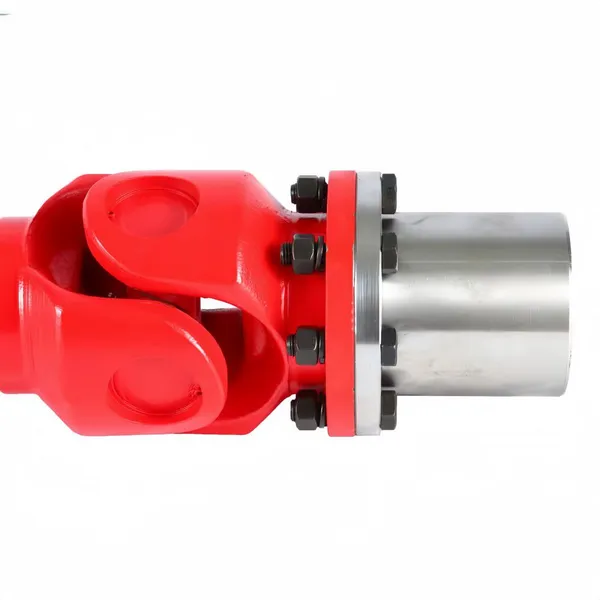
A coupling connects two rotating shafts. Torque passes from a motor, engine, or turbine to a driven machine. In every shaft coupling, torque transmission is the primary job. The key difference between a flexible coupling and a rigid coupling is misalignment compensation, how well each design handles angular, radial, and axial shaft movement.
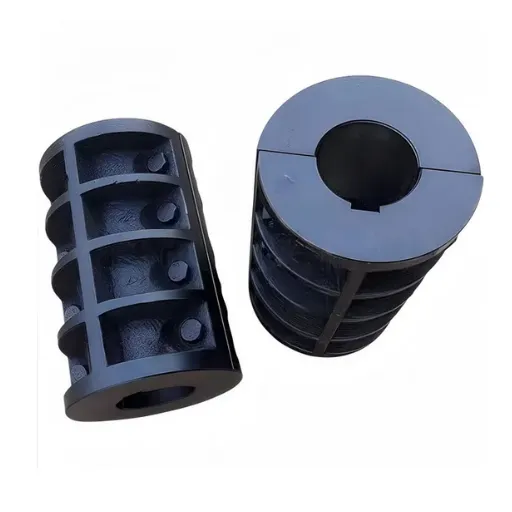
A rigid coupling locks the two shafts into a single axis. It provides a solid, fixed connection. There is no allowance for angular, radial, or axial movement.
Rigid couplings are used where shafts are precisely aligned and remain aligned during operation. They're simple, compact, and often less expensive than flexible designs.
However, any misalignment transmits directly into bearings, seals, and the coupling itself. This causes fatigue and wear.
A flexible coupling contains an elastic or movable element. This element allows a limited amount of misalignment while still transmitting torque. The flexible element may be an elastomer spider, a rubber tyre, a set of thin metal discs, or crowned gear teeth.
Flexible couplings also dampen vibration and absorb shock loads. This protects connected machinery. The trade-off is usually size, complexity, and cost.
In short: if your shafts are perfectly aligned and stay aligned, a rigid coupling is often sufficient. If there is any misalignment, thermal growth, vibration, or shock, a flexible coupling is the safer choice.
When to Use a Rigid Coupling
Rigid couplings excel where shaft alignment is precise and stable. They are common in machine tools, metering pumps, servomotor drives, and precision positioning systems. Because they do not flex, rigid couplings transmit motion with high positional accuracy and torsional stiffness. They are also compact, which helps in tight installations.
Common Rigid Coupling Applications
Precision machinery: CNC machines, indexing tables, and servo systems where repeatability matters.
Vertical pump sets: Some vertical pump installations use rigid couplings when alignment is controlled during assembly.
Low-speed, short-span drives: Direct motor-to-gearbox connections where shafts are solidly mounted and thermally stable.
Cost-sensitive designs: When misalignment is genuinely not a concern, a rigid coupling can reduce component cost.
Types of Rigid Couplings
Sleeve or muff coupling: A simple cylindrical sleeve keyed to both shafts.
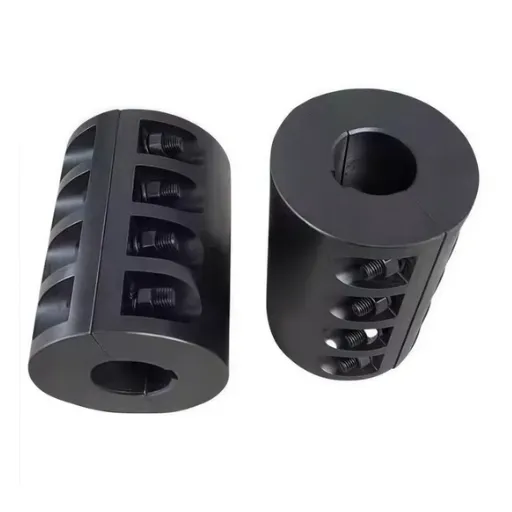
Clamp or split coupling: A split sleeve tightened around the shafts with bolts.
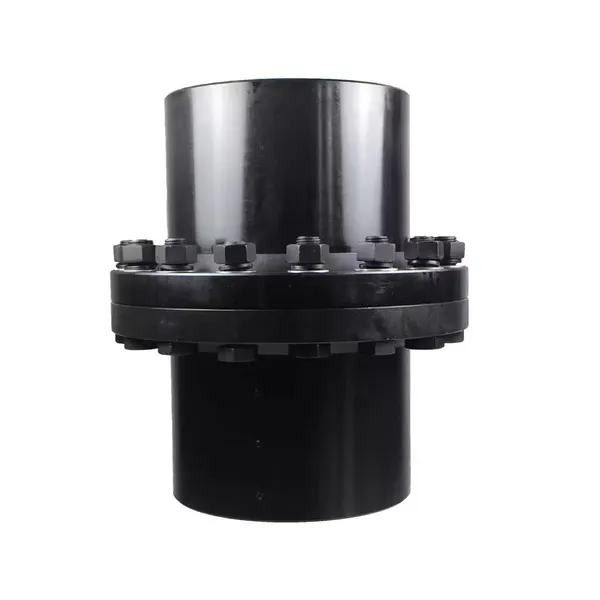
Flange coupling: Two flanges bolted together, used for larger shafts.
Rigid Coupling Alignment Requirements
Alignment is the deciding factor for rigid couplings. Most manufacturers recommend angular misalignment below 0.05 mm per 100 mm of coupling diameter. Radial misalignment should usually stay below 0.02 mm to 0.05 mm. These values are tight. They require dial indicators or laser alignment tools during installation; see our practical guide to measuring shaft misalignment.
If the connected machines move relative to each other due to temperature, load, or foundation settling, the rigid coupling will transmit those forces into bearings and shafts.
When to Use a Flexible Coupling
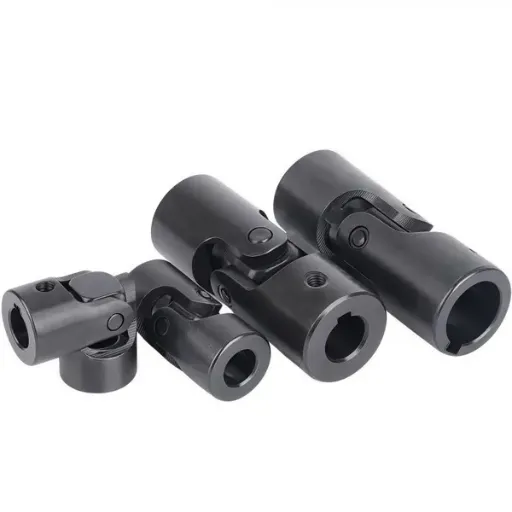
Most industrial machines benefit from a flexible coupling. Motors, pumps, compressors, fans, conveyors, crushers, and gearboxes rarely maintain perfect alignment over their service life. Thermal expansion, bearing wear, foundation settling, and assembly tolerances all create misalignment. A flexible coupling accommodates this movement while keeping the drive train connected.
Flexible couplings are also chosen when vibration or shock is present. The flexible element isolates the driven machine from torsional shock. It also reduces the transmission of vibration. This is why flexible couplings are standard in motor-pump sets, compressor drives, and conveyor systems.
Common Flexible Coupling Applications
Motor-pump sets: Absorb minor misalignment and dampen vibration between motor and pump.
Compressors and fans: Reduce vibration transmission to supporting structure.
Conveyors and crushers: Handle shock loads and frequent starts and stops.
Steel and mining equipment: Tolerate high torque and severe misalignment in rolling mills and crushers.
High-speed precision equipment: Diaphragm couplings provide zero backlash and high torsional stiffness for turbines and test stands.
Common Flexible Coupling Types
Jaw or spider coupling: Uses an elastomer spider between two hubs. Good for damping and easy maintenance.
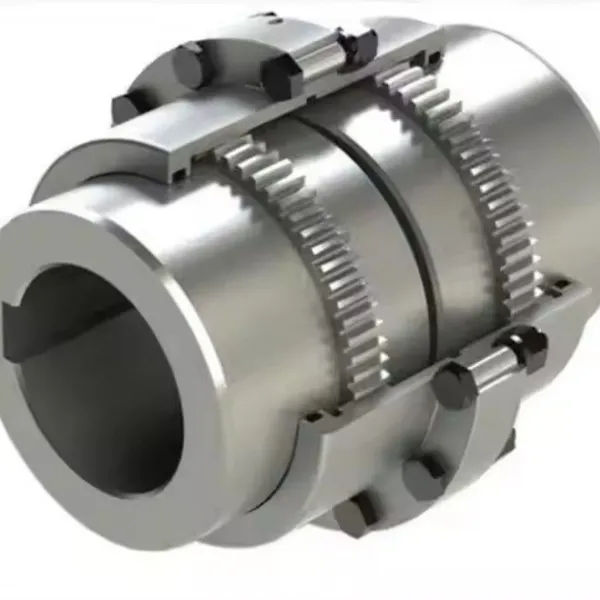
Gear coupling: Uses crowned teeth to allow misalignment. Handles very high torque.
Tyre coupling: Uses a rubber tyre element. Excellent shock absorption and large misalignment capacity.
Diaphragm coupling: Uses thin metal discs. Zero backlash and high speed capability.
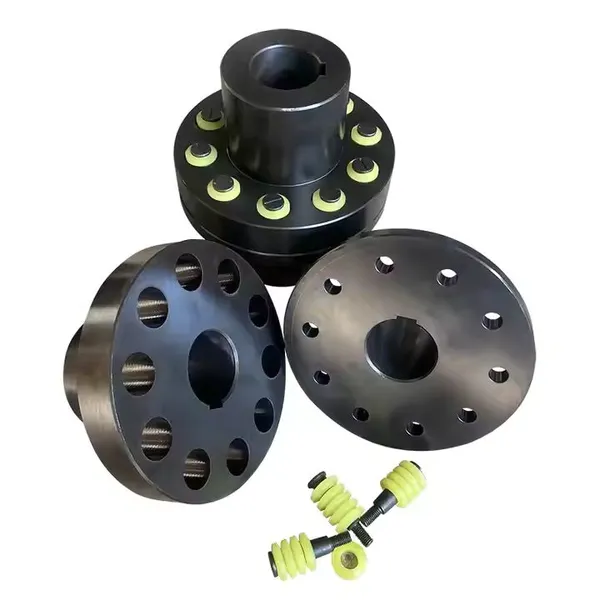
Pin and bush coupling: Uses rubber bushes on pins. Robust and cost-effective for medium duty.
Hebei Suju manufactures a complete range of industrial couplings including flexible designs for general machinery and heavy-duty drum gear couplings for demanding environments.
Flexible Coupling vs Rigid Coupling: Side-by-Side Comparison
| Feature | Rigid Coupling | Flexible Coupling |
|---|---|---|
| Misalignment tolerance | None | Angular, radial, and axial (varies by type) |
| Vibration damping | None | Yes, depends on flexible element |
| Shock load absorption | None | Yes, especially elastomer and tyre types |
| Torsional stiffness | Very high | Varies from low to high |
| Backlash | Zero | Near zero to low for most designs |
| Installation alignment | Critical | Less critical, but still important |
| Maintenance | Low | Element inspection or replacement required |
| Cost | Usually lower | Higher, but protects connected equipment |
| Best applications | Precision, stable alignment | Most industrial drives |
The comparison table shows why the flexible coupling vs rigid coupling decision is really a decision about application conditions. If the shafts move, vibrate, or experience shock, flexibility adds value that outweighs the higher initial cost.
Coupling Selection Checklist
Use this coupling selection checklist to compare rigid and flexible options for your drive.
Shafts stay perfectly aligned? Consider a rigid coupling.
Any misalignment, vibration, or shock expected? Use a flexible coupling.
High torque with misalignment? Look at gear or drum gear couplings.
Need damping and easy maintenance? Jaw or tyre couplings are good options.
Critical equipment with short maintenance windows? Check element replacement access.
How to Decide: Flexible Coupling vs Rigid Coupling for Your Application
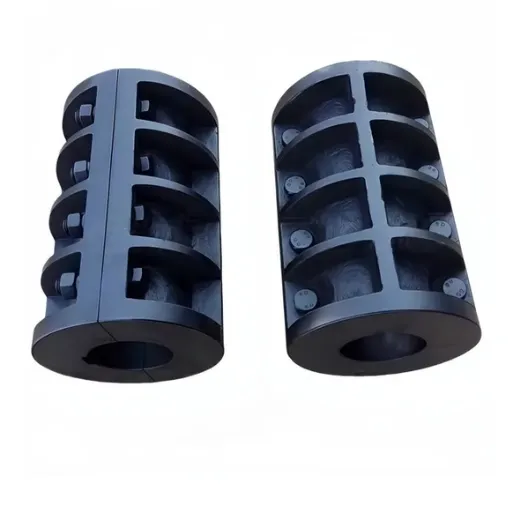
Making the right choice comes down to answering a few practical questions about your drive system. Follow this decision process.
Step 1: Check Shaft Alignment
Measure or estimate the angular, radial, and axial misalignment between the two shafts. Also consider whether alignment will change during operation. Thermal expansion, load deflection, and foundation settling all cause movement. If any misalignment exists or is expected, choose a flexible coupling.
Step 2: Evaluate Torque and Speed
Calculate the nominal and peak torque from the motor or driver data. For example, a 75 kW motor running at 1,500 RPM produces approximately 477 N·m of nominal torque. With a service factor of 1.75 for moderate shock, the coupling must handle about 835 N·m.
High-torque applications such as steel mills and mining equipment often require a drum gear coupling or another heavy-duty flexible design. High-speed applications may need dynamically balanced flexible couplings to avoid vibration.
Step 3: Consider Vibration and Shock
If the driven machine creates shock loads, select a flexible coupling with good damping characteristics. Reciprocating pumps, compressors, and crushers are common examples. Elastomer jaw couplings and tyre couplings are common choices. A jaw coupling can reduce torsional shock by absorbing energy in the elastomer spider. A gear coupling handles higher torque but offers less damping.
Step 4: Review Environmental Conditions
Temperature, dust, moisture, and chemicals affect coupling material selection. Standard elastomer spiders work from about -30°C to 80°C. Higher temperatures require special materials such as Hytrel or metal elements. Gear couplings with proper seals perform well in dirty environments.
Step 5: Factor in Maintenance Access
Some flexible couplings allow element replacement without moving the connected machines. Others require disassembly. If maintenance windows are short, choose a design that simplifies inspection and replacement. Jaw couplings are popular because the spider can often be replaced without removing the hubs.
For a deeper walkthrough, see our coupling selection guide. It covers torque calculations, service factors, and misalignment limits in detail.
Cost and Life Considerations
The initial purchase price is only part of the story. A rigid coupling may cost 30% to 50% less than a comparable flexible coupling. However, if the rigid coupling causes bearing wear or shaft failure, the repair cost can be many times the coupling price. Flexible couplings often pay for themselves by protecting motors, gearboxes, and driven equipment.
When a pump manufacturer in India switched from rigid couplings to jaw couplings on its standard motor-pump sets, field warranty claims for bearing damage dropped by nearly 40%. The elastomer spider absorbed minor alignment errors from field installation. This reduced service calls and improved customer satisfaction.
For critical equipment, consider the total cost of ownership. Include the coupling price, installation labor, alignment cost, maintenance intervals, and the expected life of connected components. In most industrial applications, the flexible coupling wins this calculation.
Common Mistakes When Choosing Between Flexible and Rigid Couplings
Engineers and buyers sometimes choose the wrong coupling type because of habit, cost pressure, or incomplete application data. Avoid these common mistakes.
Assuming Perfect Alignment
Many drives are aligned well at installation but drift over time. If you assume alignment will remain perfect, a rigid coupling may fail prematurely. When in doubt, specify a flexible coupling with adequate misalignment capacity.
Selecting Based Only on Cost
A rigid coupling may cost less upfront. However, if it causes bearing wear or shaft failure, the total cost is far higher. Because flexible couplings isolate misalignment and shock, they frequently reduce lifetime maintenance expense across the drive train.
Ignoring Service Factor
The service factor adjusts the required coupling capacity for application severity. Heavy shock loads, frequent starts, and reversing duty all increase the service factor. Typical service factors range from 1.0 for smooth, uniform loads to 3.0 or higher for heavy shock and reversing duty. These values follow industry guidelines such as AGMA standards. Underestimating the service factor leads to undersized couplings.
Using the Wrong Flexible Element
Not all flexible couplings handle the same conditions. An elastomer jaw coupling is excellent for damping but limited in torque. A gear coupling handles high torque but requires lubrication. Match the coupling type to the application priority.
Replacing Without Investigating Root Cause
If a coupling fails, don't automatically reorder the same part. Investigate whether misalignment, overload, vibration, or environmental exposure caused the failure. The correct replacement may be a different coupling type entirely.
Hebei Suju Solutions for Flexible and Rigid Coupling Applications
At Hebei Suju, we supply both standard catalog couplings and custom-engineered solutions for industrial buyers, OEM engineers, and maintenance teams.
Our product range includes flexible couplings for general machinery, drum gear couplings for heavy-duty power transmission, and other industrial coupling solutions, plus custom coupling manufacturing for non-standard requirements.
When a steel mill in Southeast Asia needed to replace a legacy coupling during a planned shutdown, our engineers reviewed the worn sample. They confirmed the 180 mm bore, the 48,000 N·m torque requirement, and the limited axial space. We produced a matching drum gear coupling within the 14-day maintenance window. The replacement fit the existing shafts without machine modification, and the mill avoided extending the shutdown.
For OEM projects, we review customer drawings for manufacturability. We recommend materials and heat treatment, and provide samples before volume production. Our factory follows ISO 9001, ISO 14001, and ISO 45001 certified management systems aligned with international ISO standards. Full-process inspection covers incoming material through final packing.
If you are unsure whether your application needs a flexible coupling or a rigid coupling, our technical team can review your torque, speed, misalignment, and environmental data to recommend the right type.
Frequently Asked Questions
Can a rigid coupling be used in place of a flexible coupling?
Only if the shafts are perfectly aligned and will remain aligned under all operating conditions. In most industrial applications, some misalignment or vibration exists, making a flexible coupling the safer choice.
What is a shaft coupling?
A shaft coupling is a mechanical device that connects two rotating shafts so torque can pass from the driver to the driven machine. Couplings can be rigid or flexible depending on whether the application requires misalignment compensation.
What is the main advantage of a flexible coupling?
A flexible coupling compensates for shaft misalignment, dampens vibration, and absorbs shock loads. This protects bearings, seals, and connected machinery from premature wear.
Which coupling type is better for high-torque applications?
For high-torque applications with misalignment, gear couplings and drum gear couplings are typically used. For very high torque in heavy industry, drum gear couplings are a proven choice.
Do flexible couplings need maintenance?
Yes, but the level varies by type. Elastomer elements may need periodic inspection and replacement. Gear couplings require lubrication and seal checks. Rigid couplings generally need less maintenance but offer no misalignment protection.
How do I know if my shafts are aligned enough for a rigid coupling?
Shaft alignment should be checked with dial indicators or laser alignment tools. Angular misalignment should usually be below 0.05 mm per 100 mm of coupling diameter, and radial misalignment below 0.05 mm. If there is any doubt, a flexible coupling is usually the better option.
Conclusion
The flexible coupling vs rigid coupling decision depends on alignment, torque, speed, vibration, and operating environment. Rigid couplings work well in precision applications with stable alignment. Flexible couplings are the right choice for most industrial drives because they accommodate misalignment, dampen vibration, and protect connected equipment from shock.
At Hebei Suju, we help engineers and buyers select the right coupling type for each application. Whether you need a standard flexible coupling, a heavy-duty drum gear coupling, or a custom coupling engineered from your drawing, our team can provide technical guidance and a competitive quotation.
Recently Posted
-
Jaw Coupling Spider Replacement: A Step-by-Step Maintenance Guide
July 28, 2026A maintenance technician at a packaging plant in Brazil noticed vibration on a motor-pump set during his morning rounds. The motor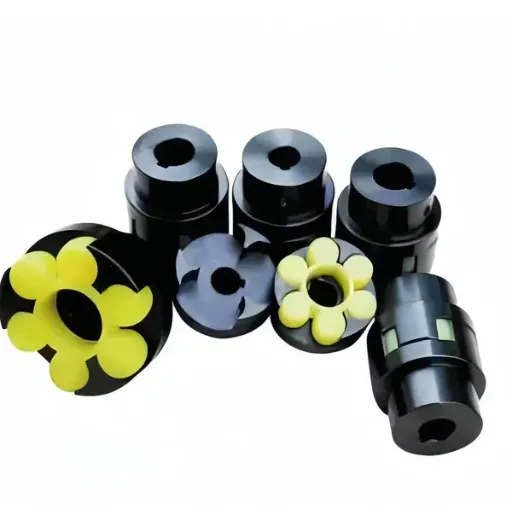 Read More
 -
Flexible Coupling for Motor Pump Sets: A Selection Guide
July 28, 2026A maintenance manager at a water treatment plant in Southeast Asia called us after replacing motor pump couplings three times in 1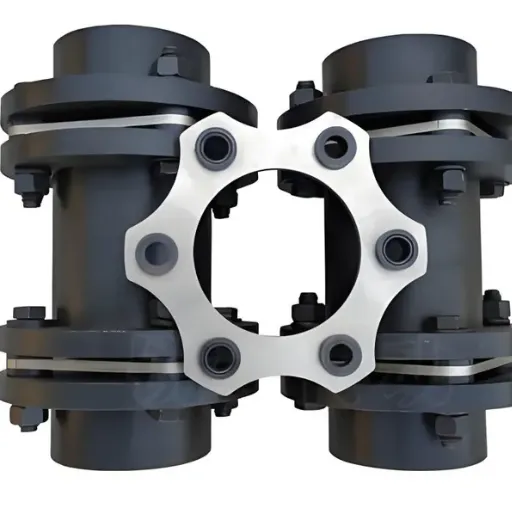 Read More
 -
Flexible Shaft Coupling: Selection Guide for Industrial Drives
July 28, 2026When two rotating shafts are connected directly, even a small amount of misalignment can generate vibration, bearing load, and pre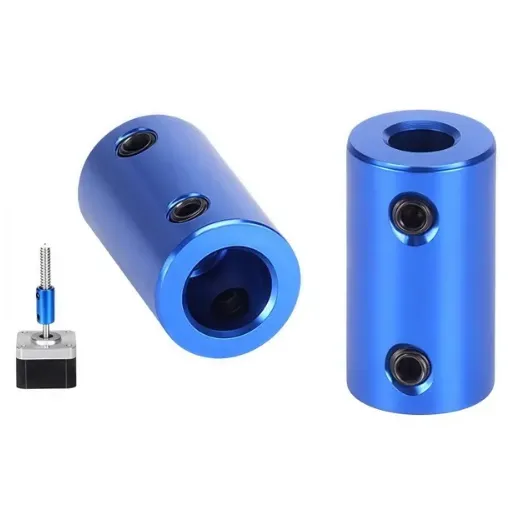 Read More
 -
Elastic Coupling: Vibration Control for Industrial Drives
July 28, 2026When a motor-pump set starts vibrating above acceptable limits, the first checks usually fall on bearing wear, impeller balance, o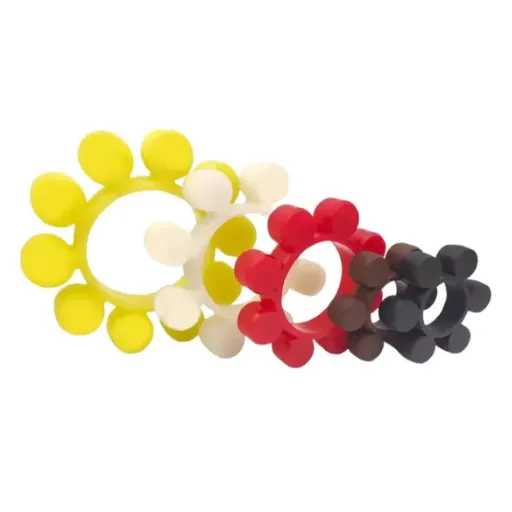 Read More

Contact Us

Recommended Products
-
 OEM Customizable Cardan Shaft Coupling Flexible Rigid Steel for Air Compressor Propeller Universal Construction Printing ShopsNegotiableMOQ: 2 Pieces
 -
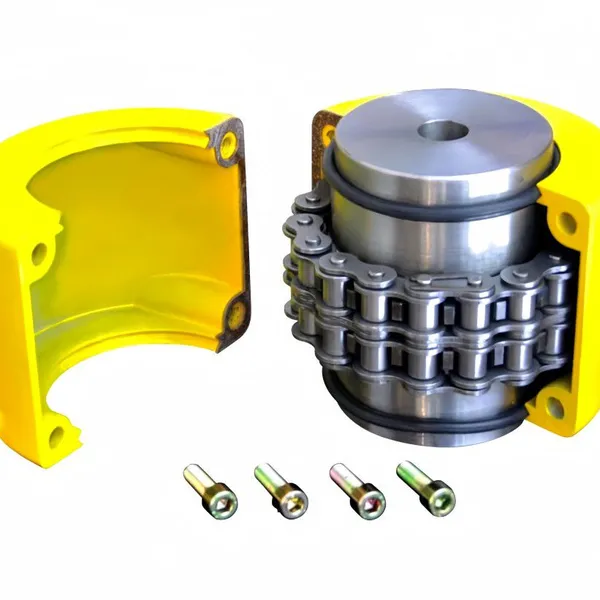
Kc Coulpling Roller Chain Coupling Set With Chain and Sprocket for General MachineryNegotiableMOQ: 1 Piece
-
High Transmission Efficiency Drum Gear Coupling Easy Installation Gear Coupler For Heavy MachineryNegotiableMOQ: 10 Pieces
-
High-Torque Roller Chain Coupling Durable Steel Aluminium Construction Customizable Precision Engineering OEM Shaft CouplingsNegotiableMOQ: 2 Pieces
-
Customizable Rigid Iron Steel Aluminium Rubber Tyre Coupling OEM Support for Pumps Industrial Equipment Construction IndustriesNegotiableMOQ: 10 Pieces
-
Jsb Flexible Grid Coupling With Metallic Elastic Element Factory Direct Spider Snake Spring CouplingNegotiableMOQ: 10 Pieces
-
High Torque JQ/JQW Type Clamp Coupling for Motor & Gearbox 45 Steel Jacketed Iron Disc Structure Flexible Rigid OEM SupportedNegotiableMOQ: 2 Pieces
-
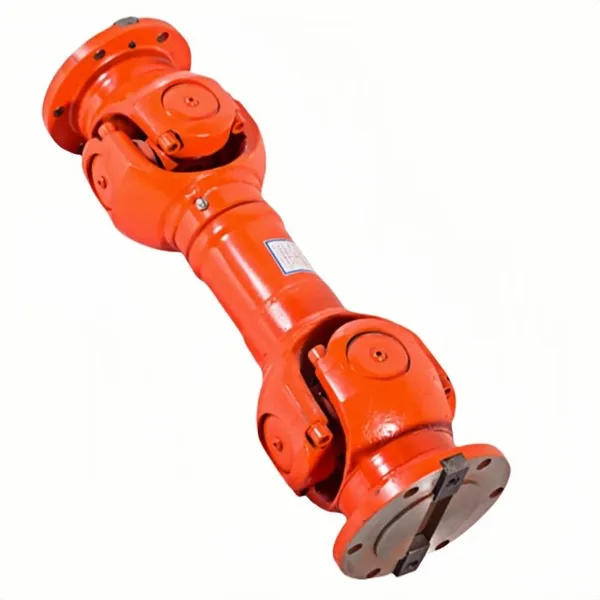
SWC Series Flange Universal Joint Coupling Hardened Cross Shaft Heavy Duty TransmissionNegotiableMOQ: 1 Piece
-
Heavy Duty Universal Coupling High Quality Universal Shaft for Machinery and EquipmentNegotiableMOQ: 1 Piece
-
OEM Customized Precision Cast Iron Zinc Aluminum Die Castings New Hydraulic Parts Fittings 1 Year WarrantyNegotiableMOQ: 100 Pieces
-
Yl Series Rigid Flange Coupling Power Transmission PartsNegotiableMOQ: 2 Pieces
-
Flange Coupling for Water Pump and Compressor Applications With Rubber Gasket SealNegotiableMOQ: 2 Pieces
-
Heavy-Duty Telescopic Welding Cardan Shaft for Universal UseNegotiableMOQ: 1 Piece
-
Flexible Universal Shaft Flange Coupling for Marine and Industrial Drive SystemsNegotiableMOQ: 10 Pieces
-
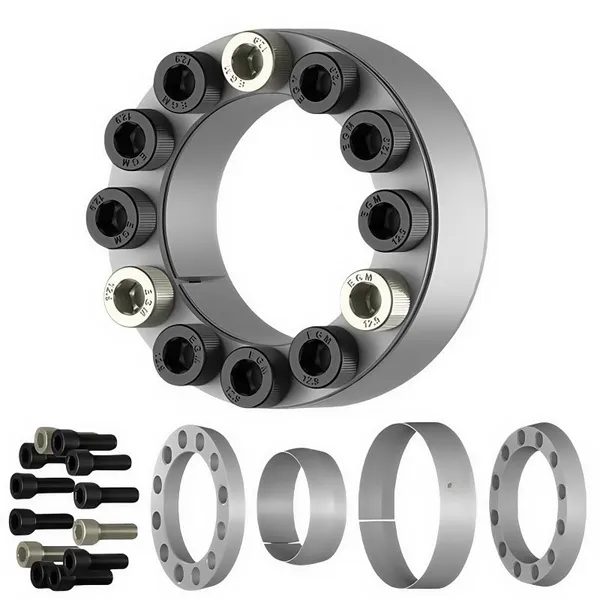
Durable Expansion Sleeve, Locking Assembly & Taper Lock Bushing for Robotic Arm JointsNegotiableMOQ: 1 Piece
-
High Quality Yl Type Rigid Flange Coupling Mechanical Transmission CouplingNegotiableMOQ: 2 Pieces
-
Stainless Steel Flexible Universal Joint Coupling for Motor Flange Gear Pump and Spline ShaftNegotiableMOQ: 1 Piece
-
Compact Drum Gear Coupling for Heavy Industrial Transmission High Torque CapacityNegotiableMOQ: 10 Pieces
-
TL Series Elastic Pin Coupling Easy Replace Rubber Bush Coupling With Shaft Misalignment CompensationNegotiableMOQ: 10 Pieces
-
Professional Manufacture SWC-Wf Cardan Shaft Universal Joint CouplingNegotiableMOQ: 1 Piece